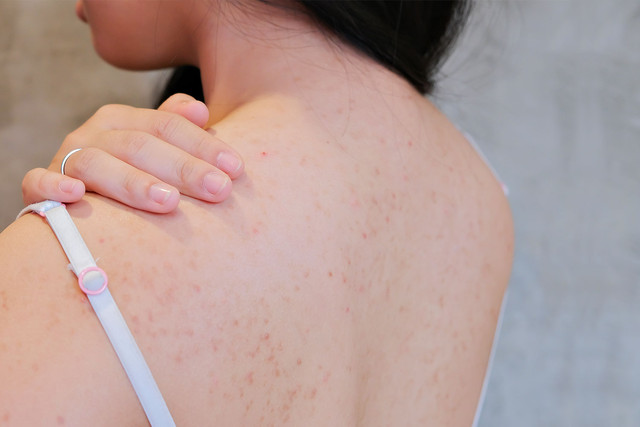
Back acne, often called “bacne,” is a common skin concern that affects many people. It occurs when pores on the back become clogged with oil, dead skin cells, sweat, and bacteria. Since the back contains many oil-producing glands, it can easily develop pimples, blackheads, whiteheads, and painful acne bumps. Many people struggle with back acne because the area is harder to reach and often gets exposed to friction from clothing, backpacks, and workout equipment. Understanding the causes and following the right skincare routine can help improve the condition. If you are wondering how to get rid of back acne, the solution usually involves a combination of proper cleansing, suitable skincare products, healthy habits, and patience.
What Causes Back Acne?
Back acne develops when excess oil, dead skin cells, and bacteria build up inside hair follicles. When these follicles become blocked, inflammation occurs, leading to different types of acne. Hormonal changes are one of the most common reasons behind acne breakouts because they can increase oil production in the skin. Teenagers and adults experiencing hormonal fluctuations may notice more frequent breakouts on their back.
Sweating is another major factor that can contribute to back acne. After exercise or physical activity, sweat can mix with dirt and oil, creating an environment where bacteria can grow. Wearing tight or non-breathable clothing may trap sweat against the skin and increase irritation. Other causes include stress, certain medications, poor skincare habits, and using products that clog pores.
Keep Your Back Skin Clean
One of the most important steps in learning how to get rid of back acne is maintaining proper hygiene. Washing your back regularly helps remove excess oil, sweat, and impurities that can block pores. A gentle cleanser can help keep the skin clean without causing dryness or irritation.
Avoid scrubbing your back aggressively because harsh rubbing can damage the skin barrier and make acne worse. Instead, use gentle movements while cleansing. After sweating, especially after workouts, it is important to shower as soon as possible to prevent sweat and bacteria from staying on the skin for a long time.
Use Acne-Fighting Ingredients
Choosing the right skincare products can make a significant difference in reducing back acne. Ingredients like salicylic acid and benzoyl peroxide are commonly used for acne-prone skin because they help clear clogged pores and reduce acne-causing bacteria.
Salicylic acid works by removing dead skin cells and preventing blocked pores, while benzoyl peroxide helps reduce bacteria and inflammation. Body washes or treatments containing these ingredients can be helpful when used consistently. However, it is important to introduce new products slowly because some acne treatments may cause dryness or irritation.
Avoid Products That Block Pores
Many people unknowingly use skincare, haircare, or body products that contribute to breakouts. Heavy oils, thick lotions, and certain hair products can transfer onto the back and clog pores. This condition is known as acne caused by pore-blocking ingredients.
When choosing products, look for labels that mention “non-comedogenic,” which means they are less likely to clog pores. Keeping hair products away from your back and washing your body after rinsing shampoo or conditioner can also help prevent breakouts.
Wear Clean and Breathable Clothes
Clothing choices play an important role in managing back acne. Tight clothes made from materials that do not allow airflow can trap sweat and bacteria against the skin. This can increase irritation and create more acne problems.
Choose loose, breathable fabrics, especially during workouts or hot weather. Changing sweaty clothes quickly and washing workout clothing regularly can reduce the buildup of bacteria and oil. Clean bedsheets, towels, and clothing also help maintain healthier skin.

Maintain a Healthy Lifestyle
Your daily habits can affect your skin health. A balanced diet, proper hydration, and enough sleep can support clearer skin. Foods rich in vitamins, minerals, and antioxidants may help maintain overall skin health.
Stress management is also important because high stress levels can influence hormone activity and increase oil production. Regular exercise, relaxation techniques, and good sleep habits can support healthier skin. While lifestyle changes alone may not completely remove acne, they can improve the results of your skincare routine.
Try Natural Remedies Carefully
Some natural ingredients may provide temporary soothing benefits for acne-prone skin. Products containing ingredients like tea tree oil, aloe vera, or gentle plant-based extracts may help calm irritation. However, natural does not always mean safe for everyone.
Before applying any natural remedy, perform a patch test to check for skin reactions. Avoid using harsh ingredients like lemon juice or abrasive scrubs because they can irritate the skin and make acne marks more noticeable.
Prevent Back Acne Scars
Preventing scars is an important part of managing acne. Picking, squeezing, or scratching pimples can increase inflammation and lead to dark spots or permanent scars. Allow acne lesions to heal naturally whenever possible.
Using sunscreen on exposed areas can also help prevent acne marks from becoming darker. Gentle skincare and consistent treatment are key to reducing the chances of long-term skin damage.
When to See a Dermatologist
Sometimes back acne does not improve with basic skincare routines. If you have painful cysts, deep acne, frequent breakouts, or noticeable scarring, professional advice may be necessary. A dermatologist can recommend stronger treatments based on your skin type and acne severity.
Medical treatments may include prescription creams, oral medications, or professional procedures. Getting expert help early can prevent acne from becoming more difficult to manage.
Common Mistakes That Make Back Acne Worse
Many people make skincare mistakes that slow down improvement. Using too many products at once, over-washing the skin, or scrubbing aggressively can irritate the back and increase breakouts.
Another common mistake is ignoring sweat and friction. Not changing clothes after workouts or wearing dirty clothing can contribute to repeated acne flare-ups. A simple and consistent routine is usually more effective than using many different treatments.
How Long Does It Take to See Results?
Treating back acne requires consistency and patience. Most skincare routines take several weeks before noticeable improvements appear. Acne does not usually disappear overnight because the skin needs time to heal and prevent new breakouts.
Following a regular cleansing routine, using suitable acne treatments, and making healthy lifestyle changes can gradually improve your skin. If results are limited after consistent care, professional guidance can help identify better solutions.
Conclusion
Back acne is a common skin issue, but it can be managed with the right approach. Keeping the skin clean, choosing effective acne-fighting ingredients, avoiding pore-clogging products, and maintaining healthy habits can help reduce breakouts. If you are searching for how to get rid of back acne, remember that consistency is the most important factor. A simple skincare routine combined with lifestyle improvements can support clearer, healthier-looking skin over time. With proper care and patience, managing back acne becomes easier and more effective.
Read More:-Fungal Acne Treatment: Causes, Remedies, and Prevention Tips