Acne is one of the most common skin concerns that affects people of different ages. Excess oil production, clogged pores, bacteria, hormonal changes, stress, and environmental factors can contribute to frequent breakouts. While maintaining a proper skincare routine is important, using targeted treatments can help improve the appearance of acne-prone skin. Face masks are a popular skincare solution because they provide concentrated ingredients that can help remove impurities, balance oil, and refresh the skin. Choosing the best face masks for acne depends on your skin type, acne severity, and the ingredients that work well for your skin.
A good acne-fighting face mask can help reduce excess oil, calm redness, and support healthier-looking skin when used correctly. Ingredients such as clay, salicylic acid, tea tree oil, sulfur, aloe vera, and natural antioxidants are commonly found in acne-focused masks. These ingredients work in different ways to cleanse pores, remove buildup, and create a better environment for clearer skin. However, face masks should be considered part of a complete skincare routine rather than a single solution for acne problems.
Why Face Masks Are Helpful for Acne-Prone Skin
Face masks provide a deeper cleansing experience compared to regular cleansers. Throughout the day, dirt, oil, makeup residue, and pollutants can build up on the skin surface and inside pores. This buildup may contribute to clogged pores and breakouts. A well-formulated face mask can help remove these impurities while delivering beneficial ingredients directly to the skin.
Many acne-focused masks are designed to control excess sebum, which is one of the major causes of oily skin and frequent pimples. When oil production is balanced, the chances of blocked pores may decrease. Some masks also contain soothing ingredients that help reduce the appearance of irritation and support a more even-looking complexion.
Using the best face masks for acne regularly can help improve the overall appearance of skin by keeping pores cleaner and reducing factors that contribute to breakouts. However, consistency and choosing suitable products are key factors for achieving better results.
Clay Masks for Controlling Excess Oil
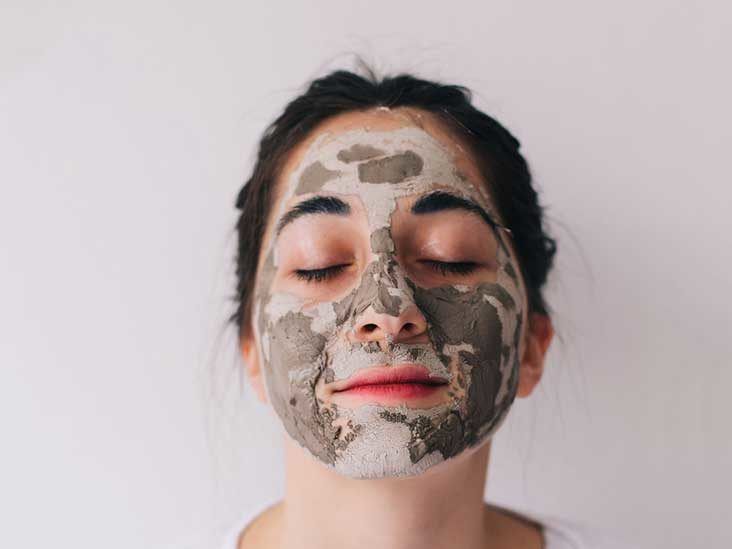
Clay masks are among the most popular options for acne-prone skin because they are known for their ability to absorb excess oil and impurities. Types of clay such as bentonite clay and kaolin clay are frequently used in skincare products because they help remove unwanted buildup from the skin.
People with oily or combination skin often benefit from clay masks because they can create a cleaner and fresher skin appearance. These masks may also help reduce the shiny look caused by excessive oil production. When used once or twice a week, clay-based treatments can support a balanced skincare routine.
It is important not to overuse clay masks because removing too much oil can sometimes make the skin feel dry or uncomfortable. Following up with a lightweight moisturizer can help maintain proper skin hydration.
Salicylic Acid Masks for Deep Pore Care
Salicylic acid is a widely used skincare ingredient for acne-prone skin. It belongs to a group of ingredients called beta hydroxy acids (BHAs), which can penetrate oil and help remove dead skin cells from inside pores.
Face masks containing salicylic acid can be useful for people dealing with clogged pores, blackheads, and occasional breakouts. By helping clear pore buildup, these masks may support smoother-looking skin and reduce the chances of future congestion.
When choosing the best face masks for acne, products containing salicylic acid are often considered because of their ability to target common causes of breakouts. However, beginners should start slowly and avoid combining too many strong active ingredients at the same time.
Natural Ingredient Face Masks for Acne Care
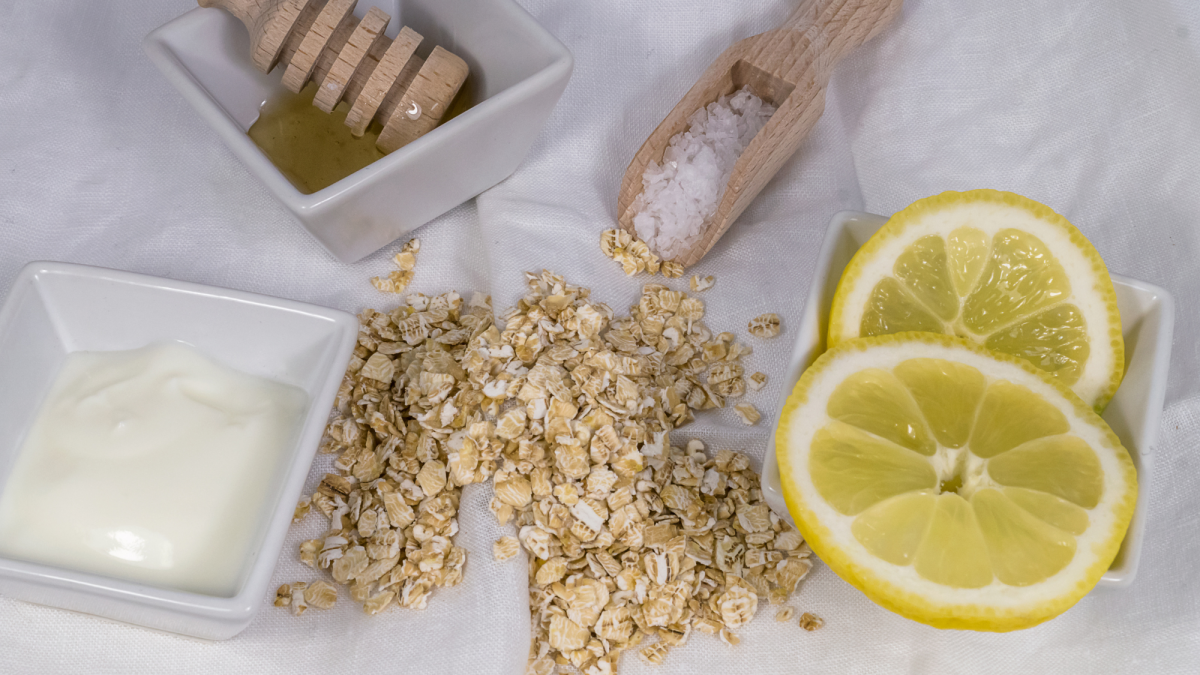
Many people prefer skincare products with natural ingredients because they are gentle and soothing. Ingredients such as aloe vera, honey, green tea, and turmeric are commonly used in homemade and commercial face masks.
Aloe vera is known for its calming properties and can help provide a refreshing feeling to irritated skin. Honey contains natural moisturizing properties and may help support healthy-looking skin. Green tea is rich in antioxidants that help protect the skin from environmental stress.
Natural face masks can be a helpful addition to skincare routines, especially for people who prefer mild treatments. However, natural does not always mean suitable for everyone, so performing a patch test before applying any new product is recommended.
Charcoal Masks for Removing Skin Impurities
Charcoal masks are another popular choice among people with acne concerns. Activated charcoal is believed to help attract and remove dirt, oil, and impurities from the skin surface.
These masks are often used by individuals who want a deep-cleaning skincare experience. They can leave the skin feeling refreshed and cleaner after use. Charcoal masks may be especially beneficial for oily skin types that experience frequent buildup.
Although charcoal masks can provide temporary improvements in skin appearance, they should be used carefully. Some peel-off charcoal masks may feel harsh on sensitive skin, so gentle formulas are usually a better option.
How to Choose the Right Acne Face Mask for Your Skin Type
Selecting the right mask depends on understanding your skin’s needs. Different skin types require different approaches, and using an unsuitable product may cause dryness or irritation.
For oily skin, clay-based masks and oil-controlling ingredients may work well. For dry or sensitive skin, hydrating and calming ingredients are usually better choices. Combination skin may benefit from using different masks on different areas of the face depending on specific concerns.
The best face masks for acne should contain ingredients that match your skin type while avoiding unnecessary harsh chemicals. Reading product labels and understanding ingredient benefits can help you make a better skincare decision.
How Often Should You Use an Acne Face Mask?
The frequency of using face masks depends on the product formula and your skin condition. Most acne-focused masks are recommended once or twice a week. Using them too frequently may cause dryness, sensitivity, or irritation.
Before applying a mask, clean your face with a gentle cleanser to remove surface dirt. Apply the mask evenly and follow the recommended time mentioned on the product instructions. After removing the mask, apply moisturizer to keep the skin comfortable and hydrated.
A consistent skincare routine that includes cleansing, moisturizing, sun protection, and occasional masking can provide better long-term support for healthier-looking skin.
Common Mistakes to Avoid When Using Face Masks for Acne
Many people make skincare mistakes that can reduce the benefits of face masks. One common mistake is applying masks too often in an attempt to get faster results. Acne improvement usually requires patience and consistent care.
Another mistake is using multiple strong treatments together. Combining exfoliating ingredients, harsh scrubs, and acne treatments without proper knowledge may irritate the skin.
It is also important to avoid applying face masks on damaged or extremely irritated skin. Understanding your skin’s condition and choosing gentle products can help prevent unnecessary problems.
Additional Tips for Managing Acne-Prone Skin
Face masks work best when combined with healthy skincare habits. Keeping your face clean, avoiding excessive touching, removing makeup before sleeping, and using non-comedogenic skincare products can support clearer-looking skin.
Lifestyle habits also play a role in skin health. Drinking enough water, maintaining a balanced diet, managing stress, and getting proper sleep can contribute to overall skin wellness.
While skincare products can improve the appearance of acne, persistent or severe acne may require advice from a skincare professional. Everyone’s skin responds differently, so finding the right routine may take time.
Benefits of Using Acne Face Masks Regularly
Regular use of suitable face masks can provide several skincare benefits. They can help refresh tired-looking skin, remove surface impurities, improve skin texture, and support a cleaner appearance.
The best face masks for acne are those that fit your individual skincare needs and provide ingredients that support your skin goals. A balanced approach that combines effective products with healthy habits can help maintain better-looking skin over time.
Conclusion
Acne can be challenging, but the right skincare approach can help improve the appearance and comfort of acne-prone skin. Face masks with ingredients like clay, salicylic acid, charcoal, and soothing botanical extracts can support cleaner pores, balanced oil levels, and healthier-looking skin.
Choosing the best face masks for acne requires understanding your skin type and selecting products that match your concerns. When used correctly as part of a consistent skincare routine, face masks can become a valuable step toward achieving a clearer and more refreshed complexion.
Read More:-How to Get Rid of Back Acne: Causes and Best Treatments