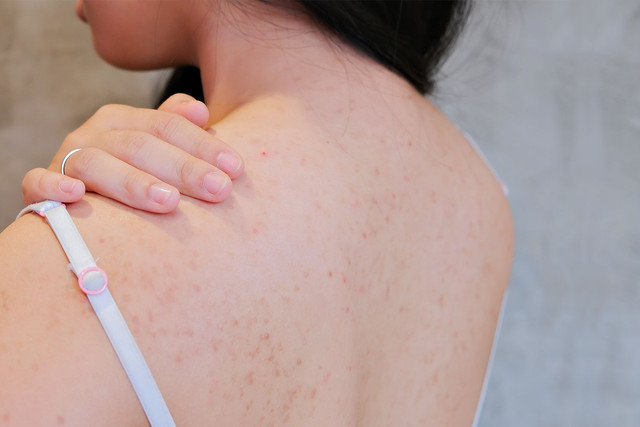

Acne is one of the most common skin concerns affecting teenagers and adults. While many people associate acne with clogged pores and bacteria, hormones also play a major role in causing breakouts. Hormonal fluctuations can increase oil production, leading to persistent pimples, especially around the jawline, chin, and lower face. For people struggling with hormonal acne, traditional skincare products may not always provide enough improvement. This is where prescription treatments like spironolactone become an option for managing acne.
Spironolactone is a medication that was originally developed to treat conditions related to fluid retention and blood pressure. However, dermatologists discovered that it can also help reduce hormone-related oil production in the skin. Today, spironolactone for acne is widely used as a treatment option, particularly for women experiencing stubborn hormonal breakouts that do not respond well to topical treatments alone.
What Is Spironolactone?
Spironolactone is a prescription medication known as a potassium-sparing diuretic. It works by affecting certain hormones in the body, especially androgens. Androgens are hormones that can stimulate sebaceous glands, causing the skin to produce excess oil. Too much oil can contribute to clogged pores, inflammation, and acne development.
Although spironolactone was not originally created as an acne medication, its ability to reduce androgen activity has made it useful in dermatology. By lowering the impact of these hormones on the skin, it may decrease oil production and help prevent new breakouts from forming.
Dermatologists commonly recommend spironolactone for acne when breakouts are linked to hormonal changes. It is often considered for adult women who experience recurring acne despite maintaining a consistent skincare routine.
How Does Spironolactone Help Treat Acne?
Hormonal acne usually occurs when hormones trigger the skin’s oil glands to become more active. Increased oil production can trap dead skin cells and bacteria inside pores, resulting in pimples, blackheads, and painful cysts.
Spironolactone works by blocking androgen receptors and reducing the effects of hormones that contribute to excess oil production. This process helps create a less oily environment on the skin, which may reduce the frequency and severity of acne outbreaks.
The effectiveness of spironolactone for acne depends on several factors, including the individual’s hormone levels, acne severity, and overall skin condition. Some people may notice gradual improvements, while others may require additional treatments alongside medication.
Who Can Benefit From Spironolactone for Acne?
Spironolactone is most commonly prescribed for women with hormonal acne. It may be especially helpful for individuals who experience:
- Acne mainly around the chin, jawline, and cheeks
- Breakouts that worsen during hormonal changes
- Persistent adult acne
- Oily skin caused by hormonal activity
- Acne that returns after stopping other treatments
Many women notice that their acne follows a monthly pattern related to hormonal cycles. In such cases, spironolactone may help regulate the hormonal influence behind these breakouts.
However, spironolactone is not suitable for everyone. A healthcare professional should evaluate whether this medication is appropriate based on medical history, current medications, and individual health needs.
How Long Does Spironolactone Take to Work?
One of the most common questions about spironolactone is how quickly results appear. Unlike some acne treatments that show changes within a few weeks, spironolactone usually requires patience because it works by influencing hormonal activity.
Many people begin noticing improvements after several weeks of consistent use, but more significant results may take three to six months. During the early stages, some individuals may not see immediate changes, as the body needs time to adjust.
Consistency is important when using spironolactone for acne. Taking the medication as prescribed and following a proper skincare routine can support better results over time.
Common Benefits of Spironolactone for Acne
Spironolactone offers several potential benefits for people dealing with hormone-related acne. One major advantage is that it targets the hormonal causes behind breakouts rather than only treating surface-level symptoms.
Some possible benefits include:
- Reduced excess oil production
- Fewer hormonal breakouts
- Improvement in painful acne lesions
- Better skin balance over time
- Reduced dependence on harsh topical products
For many individuals, the biggest advantage of spironolactone for acne is its ability to address recurring breakouts that appear despite using multiple skincare products.
Possible Side Effects of Spironolactone
Like any medication, spironolactone may cause side effects. The experience varies from person to person, and some individuals may have no noticeable issues.
Possible side effects may include:
- Increased urination
- Breast tenderness
- Menstrual cycle changes
- Dizziness
- Fatigue
- Headaches
- Changes in potassium levels
Because spironolactone can affect potassium balance in the body, healthcare providers may consider monitoring certain health factors during treatment, especially for people with specific medical conditions.
Anyone experiencing unusual or severe symptoms should consult a healthcare professional for guidance.

Spironolactone and Skincare Routine
Medication works best when combined with a supportive skincare routine. While spironolactone helps address hormonal factors, proper skincare can improve overall skin health and reduce irritation.
A simple acne-friendly routine may include:
- Gentle cleansing twice daily
- Using non-comedogenic skincare products
- Applying sunscreen regularly
- Avoiding excessive exfoliation
- Keeping the skin moisturized
Many people make the mistake of using too many harsh acne products at once. This can damage the skin barrier and increase redness or dryness. A balanced routine can complement the effects of acne treatments.
Can Men Use Spironolactone for Acne?
Spironolactone is generally used more often in women because of its hormonal effects. In men, it may not be commonly recommended for acne treatment because it can interfere with male hormones and may cause unwanted effects.
Men experiencing hormonal acne should discuss other treatment options with a dermatologist. The best approach depends on the cause and severity of acne.
Important Things to Know Before Taking Spironolactone
Before starting spironolactone, it is important to discuss your complete health history with a healthcare provider. Certain conditions, medications, or lifestyle factors may influence whether this treatment is appropriate.
People should inform their doctor about:
- Existing medical conditions
- Other medications or supplements
- Pregnancy plans
- Allergies
- Previous acne treatments
Medical guidance is essential because prescription acne treatments should always be personalized according to individual needs.
Spironolactone Compared With Other Acne Treatments
Acne treatment options vary depending on the type of acne and its underlying causes. Topical treatments such as retinoids, benzoyl peroxide, and antibiotics are commonly used for many forms of acne.
However, hormonal acne may require a different approach. Treatments like spironolactone focus on reducing hormonal triggers, while other products mainly target bacteria, inflammation, or clogged pores.
The right treatment plan may involve a combination of approaches. A dermatologist can help determine which options provide the best results for a person’s specific skin condition.
Tips for Better Results During Acne Treatment
Getting clearer skin often requires consistency and healthy habits. Along with prescribed treatments, several lifestyle choices may support healthier skin.
Helpful habits include:
- Maintaining a balanced diet
- Managing stress levels
- Getting enough sleep
- Avoiding unnecessary touching of the face
- Cleaning makeup tools regularly
- Choosing suitable skincare products
While these habits cannot replace medical treatment, they can support overall skin improvement and help maintain long-term results.
Conclusion
Hormonal acne can be frustrating, especially when regular skincare products do not provide lasting improvement. Spironolactone offers a treatment approach that focuses on reducing the hormonal factors responsible for excess oil production and recurring breakouts.
For many women dealing with persistent hormonal acne, spironolactone for acne may provide noticeable improvements when used under proper medical guidance. Results usually take time, and combining treatment with a consistent skincare routine can help support healthier-looking skin.
Understanding how this medication works, its benefits, and possible side effects can help individuals make informed decisions about their acne treatment journey.
Read More:-Best Face Masks for Acne for Clear and Healthy Skin