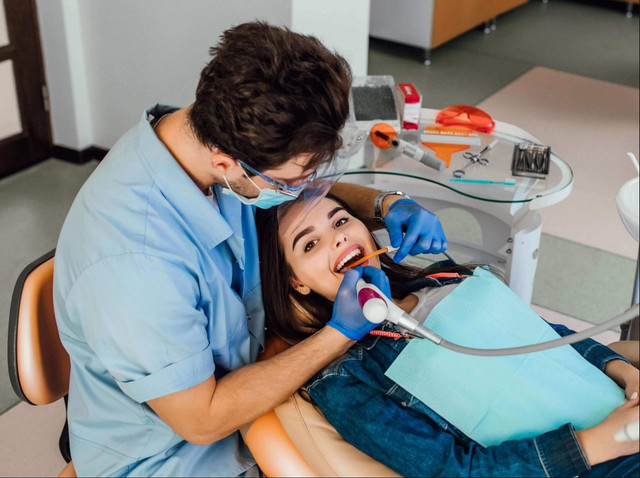
A bright, confident smile is often associated with good health and self-confidence. Over the years, teeth whitening has become one of the most popular cosmetic oral care treatments, allowing people to improve the appearance of their teeth without expensive professional procedures. Among the many whitening options available today, teeth whitening strips have gained widespread popularity because they are convenient, affordable, and easy to use at home. Whether you’re dealing with stains caused by coffee, tea, smoking, or aging, these strips can provide noticeable improvements when used correctly. However, achieving the best results requires understanding how they work, who should use them, and how to avoid common mistakes. This comprehensive guide explores everything you need to know about teeth whitening strips, including their benefits, safety, effectiveness, and maintenance tips. By combining good oral hygiene with proper Dental care, you can enjoy a brighter smile while protecting your teeth and gums for years to come.
What Are Teeth Whitening Strips?
Teeth whitening strips are thin, flexible plastic strips coated with a whitening gel that contains active bleaching ingredients such as hydrogen peroxide or carbamide peroxide. These ingredients penetrate the enamel to break down stains and discoloration that accumulate over time. The strips are designed to fit comfortably over the front surface of the teeth and are typically worn for 15 to 60 minutes, depending on the product instructions.
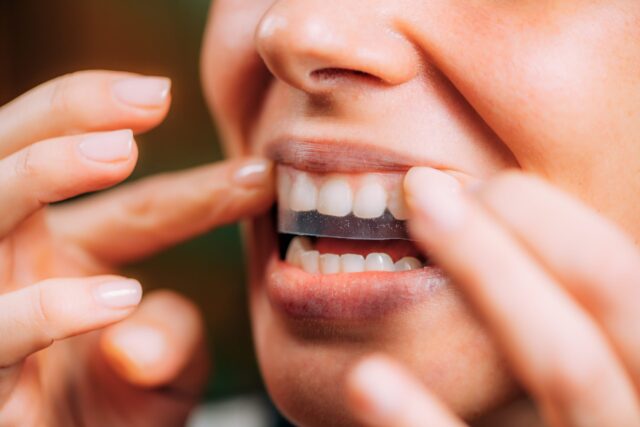
Unlike professional whitening procedures performed by dentists, whitening strips offer an affordable alternative that can be used at home without specialized equipment. They are available in different strengths and treatment durations, allowing users to choose products that match their whitening goals and sensitivity levels. While they may not produce instant dramatic results like professional treatments, consistent use often leads to visibly whiter teeth within one to three weeks.
Maintaining excellent Dental hygiene before and after whitening treatments can significantly improve both effectiveness and long-term results.
How Teeth Whitening Strips Work
The science behind whitening strips is relatively simple. The bleaching agents penetrate microscopic pores in the tooth enamel and react with stain molecules. This chemical reaction breaks apart the colored compounds responsible for yellowing and discoloration, making the teeth appear whiter.
Common causes of tooth discoloration include:
- Coffee and tea consumption
- Red wine
- Tobacco use
- Aging
- Certain medications
- Poor oral hygiene
- Highly pigmented foods
Most whitening strips focus on removing external or surface stains. Deeper intrinsic stains may require professional whitening treatments recommended by a Dental professional.
Results vary depending on the severity of discoloration, the concentration of the whitening ingredient, and how consistently the product is used according to the manufacturer’s instructions.
Benefits of Teeth Whitening Strips
Teeth whitening strips have become increasingly popular because they provide numerous advantages compared to other whitening methods.
Some of the major benefits include:
- Affordable compared to professional whitening
- Convenient home application
- Easy to use
- Noticeable whitening within weeks
- Widely available
- Minimal preparation required
- Non-invasive treatment
- Suitable for busy lifestyles
Many users appreciate the flexibility of whitening at home without scheduling appointments. When paired with routine brushing, flossing, and regular Dental checkups, whitening strips can help maintain an attractive smile.
Although whitening strips are effective for many people, patience and consistency are essential. Results gradually improve over multiple applications rather than after a single use.
Who Should Use Teeth Whitening Strips?
Whitening strips are suitable for many adults with healthy teeth and mild to moderate staining. However, they are not ideal for everyone.
They work best for individuals who have:
- Yellow discoloration from aging
- Coffee or tea stains
- Tobacco-related staining
- Healthy gums
- No untreated cavities
- No severe enamel damage
People who should consult a dentist before using whitening strips include those with:
- Gum disease
- Tooth decay
- Extremely sensitive teeth
- Dental crowns
- Veneers
- Fillings on front teeth
- Pregnant or breastfeeding individuals
Since whitening agents only affect natural tooth enamel, existing restorations such as crowns or veneers will not become whiter. A qualified Dental examination can determine whether whitening strips are appropriate for your specific oral condition.
Common Ingredients Found in Whitening Strips
| Ingredient | Purpose | Typical Strength |
|---|---|---|
| Hydrogen Peroxide | Removes stains quickly | 3%–14% |
| Carbamide Peroxide | Slower whitening action | 10%–35% |
| Glycerin | Keeps strips moist | Small amount |
| Water | Gel base | Varies |
| Flavoring Agents | Improve taste | Minimal |
| Adhesive Polymers | Help strips stick to teeth | Varies |
The concentration of peroxide directly influences whitening speed and potential sensitivity. Stronger products may deliver faster results but can also increase temporary tooth sensitivity.
How to Use Teeth Whitening Strips Correctly
Proper application greatly improves whitening effectiveness while reducing side effects.
Step 1: Brush Carefully
Brush your teeth gently before applying the strips, but avoid brushing immediately before treatment if your teeth are sensitive.
Step 2: Dry Your Teeth
Dry teeth allow the strips to adhere better and improve contact with the enamel.
Step 3: Apply the Strips
Place the strips evenly across the front teeth and press gently to ensure full contact.
Step 4: Wait the Recommended Time
Do not exceed the recommended wear time. Longer use does not necessarily improve results and may increase sensitivity.
Step 5: Remove and Rinse
Peel off the strips carefully and rinse your mouth thoroughly.
Following the instructions precisely and maintaining consistent Dental hygiene helps maximize whitening while protecting tooth enamel.
Possible Side Effects and Safety Considerations
Although whitening strips are generally considered safe, some users experience temporary side effects.
Common side effects include:
- Tooth sensitivity
- Mild gum irritation
- Temporary discomfort
- Uneven whitening
- White spots that disappear after several hours
These effects usually resolve shortly after treatment ends. People with naturally sensitive teeth should choose products formulated specifically for sensitivity or reduce treatment frequency.
Avoid using whitening strips excessively. Overuse may contribute to enamel irritation and increased tooth sensitivity. Seeking advice from a Dental professional before beginning whitening treatments is especially important if you already have existing oral health concerns.
Tips for Maintaining Whiter Teeth
Whitening results are not permanent. Daily habits play a significant role in preserving your brighter smile.
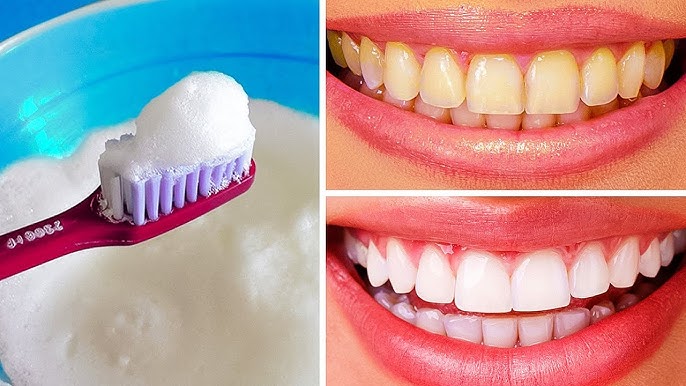
Helpful maintenance tips include:
- Brush twice daily
- Floss every day
- Limit coffee and tea
- Reduce red wine consumption
- Stop smoking
- Drink water after staining foods
- Use a straw when appropriate
- Schedule regular cleanings
Good Dental care combined with healthy lifestyle habits can significantly extend whitening results and reduce the need for frequent treatments.
Many people also choose whitening toothpaste occasionally to help remove new surface stains between whitening sessions.
Professional Whitening vs. Whitening Strips
Many people wonder whether professional whitening is worth the extra cost compared to over-the-counter strips.
Professional whitening offers:
- Faster results
- Stronger whitening agents
- Customized treatment
- Better stain removal
- Professional supervision
Whitening strips provide:
- Lower cost
- Home convenience
- Easy application
- Gradual improvement
- Good value for mild staining
For severe discoloration or stubborn intrinsic stains, professional treatments often produce superior outcomes. However, for many individuals with everyday staining, whitening strips deliver excellent results when used consistently and responsibly.
Regular visits to a Dental clinic allow professionals to recommend the most suitable whitening method based on your oral health.
Common Myths About Teeth Whitening Strips
Several misconceptions surround whitening strips.
Myth 1: They Damage Tooth Enamel
When used according to directions, reputable whitening strips are generally safe for enamel.
Myth 2: Whiter Means Healthier
A white smile does not necessarily indicate healthy teeth. Healthy gums and strong enamel remain the foundation of good oral health.
Myth 3: Results Last Forever
Whitening gradually fades over time due to daily eating, drinking, and aging.
Myth 4: More Treatments Give Better Results
Overusing whitening strips increases sensitivity without guaranteeing significantly better whitening.
Understanding these facts helps consumers use whitening products responsibly while maintaining realistic expectations.
Choosing the Right Teeth Whitening Strips
Selecting the best whitening strips depends on several personal factors.
Consider:
- Level of tooth sensitivity
- Degree of discoloration
- Treatment duration
- Whitening ingredient concentration
- Ease of application
- Product reputation
- Budget
People with sensitive teeth should prioritize products specifically designed for reduced sensitivity. Those seeking quicker whitening may choose higher peroxide concentrations while carefully following usage guidelines.
Consulting a Dental professional before purchasing whitening products ensures you select an option appropriate for your oral health and cosmetic goals.
Conclusion
Teeth whitening strips have transformed home whitening by providing a simple, affordable, and effective solution for improving the appearance of stained or discolored teeth. While they may not replace professional whitening treatments in every situation, they offer impressive results for many users when applied consistently and according to instructions. Understanding how these products work, recognizing their limitations, and practicing good oral hygiene are essential for achieving safe, long-lasting improvements. Remember that whitening is only one part of maintaining an attractive smile. Healthy gums, strong enamel, regular cleanings, and consistent Dental care remain the true foundation of lasting oral health. By combining responsible whitening practices with excellent daily habits, you can enjoy a brighter, healthier smile that enhances both your appearance and confidence for years to come.
Read more: Teeth Whitening Toothpaste: Complete Guide for a Brighter Smile