

Maintaining excellent oral health is an essential part of overall well-being. A healthy smile not only improves appearance but also contributes to confidence, comfort, and long-term health. Among the many dental service providers available today, midline dental care represents a patient-focused approach that combines preventive care, advanced treatments, and modern technology to support healthy teeth and gums.
Dental care has evolved significantly over the years. Modern clinics now offer a wide range of services designed to address everything from routine cleanings to complex restorative procedures. Patients can benefit from personalized treatment plans that focus on prevention, early diagnosis, and effective solutions for dental concerns.
This comprehensive guide explores the importance of midline dental care, the services typically offered, the advantages of preventive dentistry, and the role technology plays in improving patient experiences. Whether you are looking for routine checkups or specialized dental treatments, understanding the fundamentals of quality dental care can help you make informed decisions about your oral health.
Understanding Midline Dental Care
The concept of midline dental care revolves around providing comprehensive oral health services tailored to individual patient needs. Rather than focusing solely on treating dental problems after they occur, this approach emphasizes prevention, education, and long-term maintenance.
Modern dental care providers strive to create a welcoming environment where patients feel comfortable discussing their concerns. Comprehensive examinations, detailed treatment planning, and patient education are often key components of this approach.
Patients of all ages can benefit from quality dental services. Children require preventive treatments and guidance on oral hygiene habits, while adults often need restorative, cosmetic, or periodontal care. Seniors may require specialized attention to address age-related dental concerns.
A patient-centered dental practice focuses on understanding unique needs and developing customized treatment strategies. By building strong relationships with patients, dental professionals can help improve oral health outcomes and encourage consistent preventive care.
Why Oral Health Matters
Oral health extends far beyond maintaining a bright smile. The condition of your teeth and gums can significantly impact your overall health and quality of life. Poor oral hygiene may contribute to issues such as gum disease, tooth decay, and even systemic health complications.
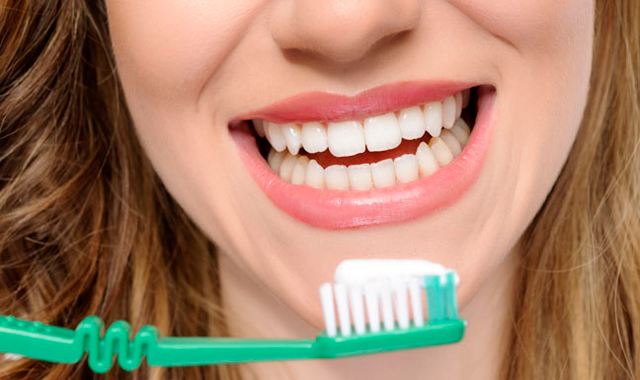
Healthy teeth allow individuals to chew food properly, speak clearly, and maintain facial structure. Meanwhile, healthy gums provide the foundation needed to support teeth throughout life. Neglecting oral care can result in discomfort, infections, and costly treatments later on.
Benefits of maintaining good oral health include:
- Reduced risk of cavities and gum disease
- Improved confidence and appearance
- Better overall health and wellness
- Fresher breath and cleaner teeth
- Lower long-term dental expenses
- Enhanced ability to eat and speak comfortably
Regular visits to providers offering midline dental care can help identify potential concerns before they become major problems. Early detection often leads to simpler and more affordable treatment options.
Core Services Offered in Modern Dental Care
Comprehensive dental practices typically provide a wide range of services designed to address different oral health needs. These services may include preventive, restorative, cosmetic, and emergency treatments.
Preventive Dentistry
Preventive dentistry focuses on maintaining oral health and avoiding future problems. Routine examinations and professional cleanings are among the most common preventive services.
Preventive care often includes:
- Dental examinations
- Professional cleanings
- Fluoride treatments
- Dental sealants
- Oral cancer screenings
- Digital X-rays
Regular preventive visits allow dentists to monitor oral health and provide recommendations tailored to each patient’s needs.
Restorative Dentistry
Restorative treatments help repair damaged or missing teeth. These procedures aim to restore function, comfort, and appearance.
Common restorative services include:
- Dental fillings
- Crowns and bridges
- Root canal therapy
- Dental implants
- Dentures
- Tooth extractions
Many patients seek midline dental care services for restorative procedures that improve both oral health and daily functionality.
Cosmetic Dentistry
Cosmetic dentistry focuses on enhancing the appearance of a patient’s smile. These treatments can improve confidence and create a more attractive aesthetic result.
Popular cosmetic procedures include:
- Teeth whitening
- Veneers
- Cosmetic bonding
- Smile makeovers
- Clear aligners
Advancements in cosmetic dentistry have made treatments more accessible and effective than ever before.
Comparison of Common Dental Treatments
| Treatment | Primary Purpose | Typical Benefits |
|---|---|---|
| Dental Cleaning | Preventive Care | Removes plaque and tartar |
| Filling | Repair Cavities | Restores tooth structure |
| Crown | Protect Damaged Tooth | Improves strength and appearance |
| Root Canal | Save Infected Tooth | Relieves pain and preserves tooth |
| Implant | Replace Missing Tooth | Long-lasting and natural-looking |
| Whitening | Cosmetic Enhancement | Brighter smile |
The Importance of Regular Dental Checkups
Routine dental visits play a crucial role in maintaining oral health. Many dental issues develop gradually and may not cause noticeable symptoms during the early stages. Regular examinations help identify concerns before they become serious.
During a typical dental appointment, professionals evaluate teeth, gums, jaw alignment, and overall oral health. Diagnostic tools such as digital imaging may be used to detect hidden issues.
Consistent visits to midline dental care providers offer several advantages. Early intervention can prevent extensive treatment, reduce discomfort, and lower long-term costs. Patients also receive personalized guidance on brushing, flossing, nutrition, and other habits that contribute to oral wellness.
Individuals who attend routine checkups are generally more likely to maintain healthier teeth and gums throughout their lives. Establishing a regular dental schedule is one of the most effective ways to preserve oral health and prevent complications.
Modern Technology in Dental Care
Technology has transformed the dental industry, improving accuracy, efficiency, and patient comfort. Today’s dental practices utilize advanced tools that enhance diagnosis and treatment outcomes.
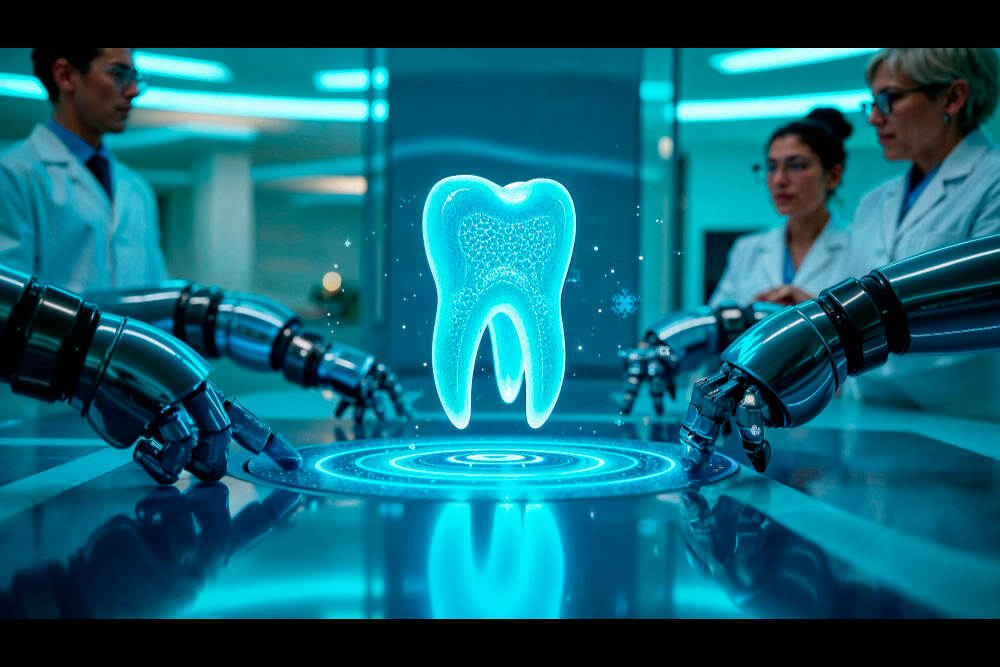
Some notable technologies include:
Digital Imaging
Digital X-rays provide detailed images while reducing radiation exposure compared to traditional methods. These images help dentists identify issues quickly and accurately.
Intraoral Cameras
Small cameras allow patients to see detailed images of their teeth and gums. This technology improves communication and treatment understanding.
3D Scanning
Three-dimensional scanning systems create precise digital impressions without the need for traditional molds. This enhances comfort and accuracy.
Laser Dentistry
Dental lasers can be used for certain procedures involving soft tissue treatment, cavity detection, and gum therapy. Laser technology often reduces discomfort and recovery time.
By incorporating advanced technology, midline dental care providers can offer more efficient and comfortable treatment experiences.
Maintaining Oral Health at Home
Professional dental care is essential, but daily oral hygiene habits are equally important. Consistent home care helps protect teeth and gums between dental visits.
Key oral hygiene practices include:
- Brushing twice daily with fluoride toothpaste
- Flossing once per day
- Limiting sugary foods and beverages
- Drinking plenty of water
- Replacing toothbrushes regularly
- Avoiding tobacco products
Good nutrition also supports oral health. Foods rich in calcium, phosphorus, and vitamins contribute to stronger teeth and healthier gums.
Patients who combine professional services with effective home care routines often experience better long-term outcomes. Many midline dental care professionals emphasize patient education to encourage healthy daily habits.
Dental Care for Different Age Groups
Oral health needs change throughout life. Children, adults, and seniors each face unique challenges that require specialized attention.
Children
Early dental visits help establish healthy habits and monitor tooth development. Preventive treatments such as sealants and fluoride applications can reduce cavity risk.
Adults
Adults often require preventive care, restorative treatments, and cosmetic procedures. Managing stress, diet, and oral hygiene habits remains important during this stage of life.
Seniors
Older adults may experience issues such as dry mouth, gum recession, and tooth loss. Regular dental care helps address these concerns and maintain quality of life.
Comprehensive midline dental care services are designed to accommodate patients at every stage of life, ensuring personalized treatment based on changing needs.
Choosing the Right Dental Provider
Selecting a dental provider is an important decision that can impact long-term oral health. Patients should consider several factors when evaluating their options.
Important considerations include:
- Experience and qualifications
- Range of services offered
- Use of modern technology
- Patient reviews and reputation
- Office environment and comfort
- Availability of emergency care
A trustworthy dental provider prioritizes communication, transparency, and patient education. Building a positive relationship with a dental team can make routine care more comfortable and effective.
Many people value providers who take time to explain procedures, answer questions, and develop personalized treatment plans tailored to individual goals.
Common Dental Problems and Their Prevention
Several dental issues affect people worldwide, but many can be prevented through proper care and regular checkups.
Common concerns include:
Tooth Decay
Caused by bacteria and plaque buildup, tooth decay can lead to cavities and discomfort. Good oral hygiene and regular cleanings help reduce risk.
Gum Disease
Gingivitis and periodontitis can damage gum tissue and supporting bone structures. Early treatment is essential for preventing progression.
Tooth Sensitivity
Sensitivity may result from enamel wear, gum recession, or dental damage. Dentists can recommend appropriate treatments based on the underlying cause.
Bad Breath
Persistent bad breath often indicates underlying oral health issues. Professional evaluation can help identify and address contributing factors.
Regular visits to a midline dental care provider support early detection and prevention of these common concerns.
Conclusion
Oral health plays a vital role in overall wellness, confidence, and quality of life. A comprehensive approach to dentistry emphasizes prevention, early intervention, patient education, and advanced treatment solutions. Through regular examinations, professional cleanings, restorative procedures, and cosmetic enhancements, patients can achieve healthier smiles and improved long-term outcomes.
Read more: National Dental Care: A Complete Guide to Oral Health and Modern Dentistry


