Women’s reproductive health conditions can sometimes share similar symptoms, making it difficult to understand the exact cause of discomfort or hormonal changes. Two commonly discussed conditions are Polycystic Ovary Syndrome (PCOS) and Endometriosis. Although both can affect fertility and menstrual health, they are different conditions with different causes, symptoms, and treatment approaches. Understanding PCOS vs Endometriosis can help women recognize warning signs, seek proper medical advice, and manage their health more effectively.
PCOS is mainly related to hormonal imbalance and ovulation problems, while endometriosis occurs when tissue similar to the uterine lining grows outside the uterus. Both conditions can cause pelvic pain, irregular periods, and fertility challenges, but the way they develop inside the body is different. Learning about these differences can help women better understand their symptoms and make informed decisions about treatment options.
What Is PCOS?
Polycystic Ovary Syndrome (PCOS) is a hormonal disorder that affects the ovaries and the body’s ability to regulate reproductive hormones. Women with PCOS often experience higher levels of androgens, which are hormones typically present in smaller amounts in females. This hormonal imbalance can interfere with normal ovulation and menstrual cycles.
PCOS may cause irregular periods, difficulty becoming pregnant, weight changes, acne, and excessive hair growth. Some women with PCOS develop multiple small fluid-filled sacs in their ovaries, but not every woman with PCOS has ovarian cysts. The condition is usually diagnosed through a combination of symptoms, medical history, hormone tests, and ultrasound examinations.
The exact cause of PCOS is not fully understood, but genetics, insulin resistance, and lifestyle factors may contribute to its development. Managing PCOS often involves improving hormonal balance through lifestyle changes, medications, and fertility treatments when needed.
What Is Endometriosis?
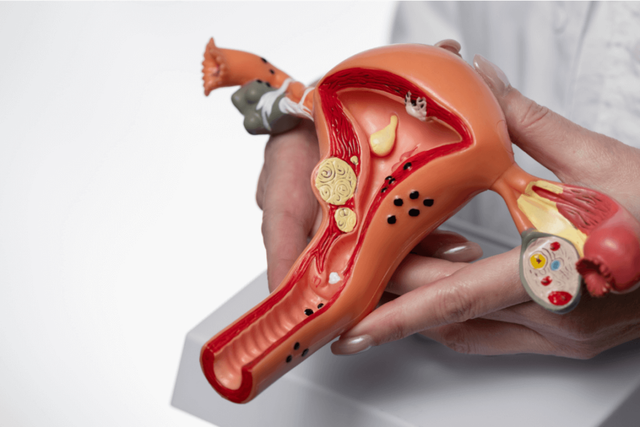
Endometriosis is a condition where tissue similar to the lining of the uterus grows in areas outside the uterus. This tissue may develop on the ovaries, fallopian tubes, pelvic lining, or other nearby organs. During the menstrual cycle, this tissue responds to hormonal changes, causing inflammation and pain.
Unlike normal uterine lining that leaves the body during menstruation, endometriosis tissue has no natural way to exit the body. This can lead to irritation, scar tissue formation, and adhesions that may affect reproductive organs.
Common symptoms of endometriosis include severe menstrual cramps, chronic pelvic pain, painful intercourse, heavy periods, and difficulty getting pregnant. Some women may have mild symptoms, while others experience significant pain that affects daily activities. Diagnosis often requires medical evaluation, imaging tests, and sometimes laparoscopic surgery for confirmation.
PCOS vs Endometriosis: Main Differences
When comparing PCOS vs Endometriosis, the biggest difference is the way each condition affects the reproductive system. PCOS is primarily a hormonal condition that affects ovulation, while endometriosis is a tissue growth disorder that causes inflammation and pain.
Women with PCOS commonly experience irregular or missed periods because their ovaries may not release eggs regularly. In contrast, women with endometriosis usually have regular menstrual cycles but may experience severe pain before or during their periods.
PCOS is often associated with symptoms such as weight gain, acne, increased facial hair, and insulin resistance. Endometriosis is more commonly linked with pelvic pain, painful periods, discomfort during sexual activity, and digestive problems related to inflammation.
Although both conditions can affect fertility, the reasons are different. PCOS may reduce fertility because irregular ovulation makes it harder to conceive. Endometriosis may affect fertility by damaging reproductive organs, causing inflammation, or creating scar tissue.
Symptoms Comparison Between PCOS and Endometriosis
PCOS and endometriosis can sometimes appear similar because both may affect menstrual health and fertility. However, their symptoms usually develop in different ways.
Women with PCOS may notice:
- Irregular or absent periods
- Difficulty with ovulation
- Acne and oily skin
- Unwanted facial or body hair growth
- Weight gain or difficulty losing weight
- Thinning scalp hair
- Insulin resistance
Women with endometriosis may experience:
- Severe menstrual cramps
- Pelvic or lower abdominal pain
- Pain during intercourse
- Heavy menstrual bleeding
- Pain during bowel movements or urination
- Fatigue
- Fertility difficulties
Understanding these symptom patterns is important because early identification can lead to better management. Many women experience symptoms for years before receiving an accurate diagnosis, which is why discussing changes in menstrual health with a healthcare professional is important.

Causes and Risk Factors
The causes of PCOS and endometriosis are different. PCOS is strongly connected with hormonal imbalance, especially increased androgen levels and insulin-related problems. Women with a family history of PCOS may have a higher chance of developing the condition.
Factors that may increase PCOS risk include genetics, insulin resistance, obesity, and certain hormonal changes. However, PCOS can also occur in women with a healthy body weight.
Endometriosis develops when uterine-like tissue grows outside the uterus, but researchers are still studying why this happens. Possible factors include genetics, immune system problems, hormonal influences, and changes in menstrual flow.
Risk factors for endometriosis may include having a family history of the condition, early menstruation, shorter menstrual cycles, and heavy menstrual bleeding. Both conditions require proper evaluation because symptoms can vary widely from person to person.
How PCOS and Endometriosis Affect Fertility
Fertility concerns are common for women diagnosed with either condition. However, the impact on fertility happens differently.
In PCOS, fertility problems are often caused by irregular ovulation. Since the ovaries may not release eggs consistently, conception can become more challenging. Many women with PCOS can still become pregnant with lifestyle improvements, medications, or fertility support.
Endometriosis may affect fertility by causing inflammation, affecting egg quality, blocking fallopian tubes, or creating changes in the pelvic environment. Some women with mild endometriosis may conceive naturally, while others may require medical assistance.
The comparison of PCOS vs Endometriosis shows that both conditions can influence fertility, but the reasons behind fertility difficulties are not the same. Proper diagnosis helps doctors choose suitable treatment plans based on individual needs.
Diagnosis of PCOS and Endometriosis
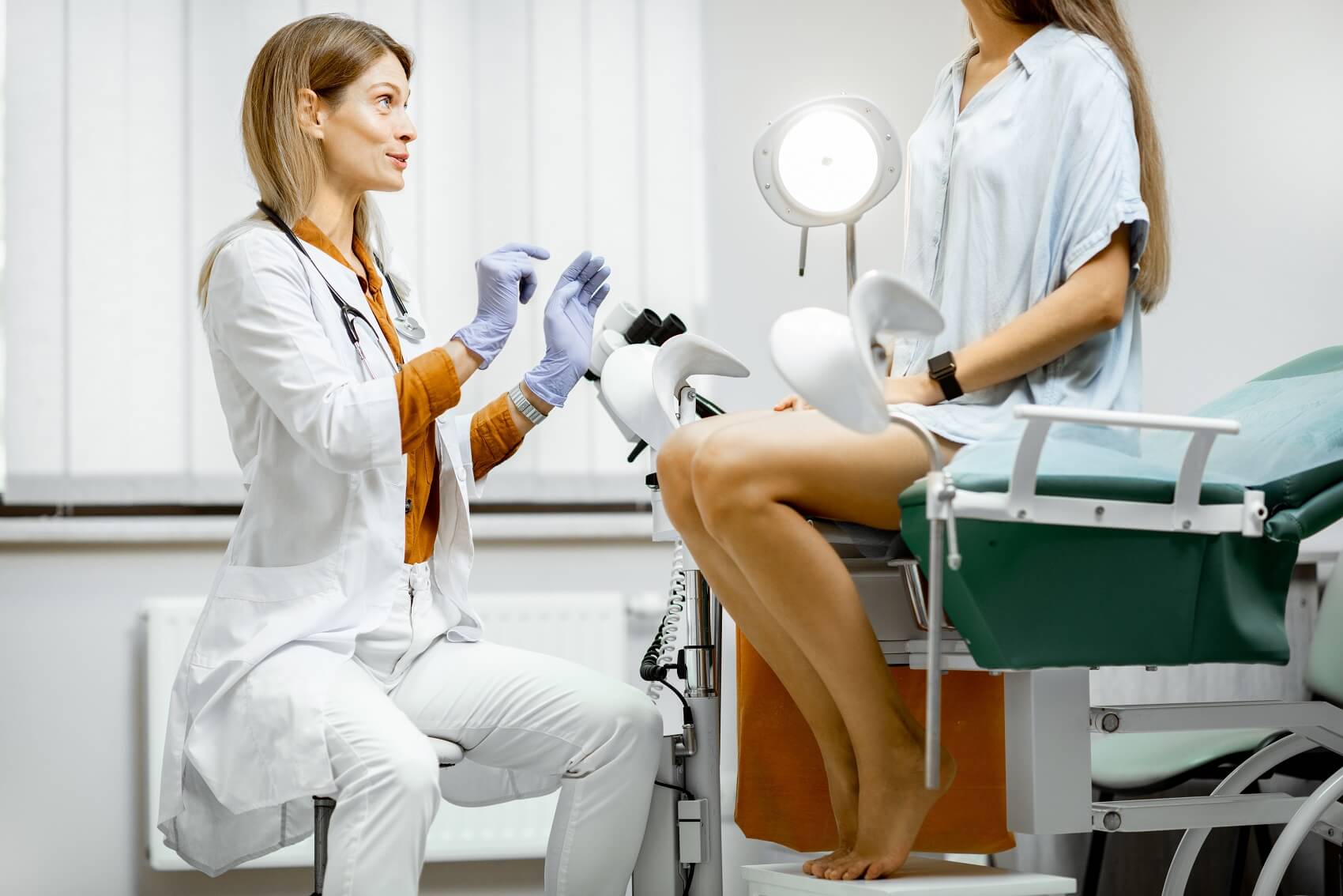
Diagnosing PCOS usually involves reviewing symptoms, menstrual history, physical signs, blood tests, and ultrasound results. Doctors may check hormone levels, including androgen levels, and evaluate signs of irregular ovulation.
Endometriosis diagnosis can be more challenging because symptoms often overlap with other conditions. Doctors may use pelvic examinations, ultrasound scans, MRI tests, and in some cases, laparoscopy to identify abnormal tissue growth.
Because both conditions can cause pelvic discomfort and fertility issues, it is important not to rely only on symptoms. A healthcare professional can provide accurate testing and recommend appropriate management options.
Treatment Options for PCOS
PCOS treatment focuses on managing symptoms, improving hormonal balance, and supporting fertility when required. Treatment plans vary depending on a woman’s goals and symptoms.
Lifestyle changes such as regular physical activity, balanced nutrition, stress management, and maintaining a healthy weight can help improve insulin sensitivity and hormone regulation.
Doctors may recommend medications to regulate periods, manage acne, reduce excess hair growth, or support ovulation. For women trying to conceive, fertility medications may help encourage regular ovulation.
PCOS is a long-term condition, but many women successfully manage symptoms with proper care and consistent lifestyle adjustments.
Treatment Options for Endometriosis
Endometriosis treatment aims to reduce pain, control tissue growth, and improve fertility outcomes. Treatment options may include pain-relieving medications, hormonal therapies, and surgical procedures.
Hormonal treatments can help reduce the activity of endometriosis tissue and control symptoms. In more severe cases, surgery may be recommended to remove endometriosis growths or scar tissue.
The best treatment approach depends on factors such as symptom severity, age, fertility goals, and overall health. Regular medical follow-ups can help manage symptoms and improve quality of life.
PCOS vs Endometriosis: Which Condition Is More Serious?
There is no simple answer to which condition is more serious because both PCOS and endometriosis affect women differently. The severity depends on symptoms, complications, and individual health concerns.
PCOS may increase the risk of problems such as diabetes, high cholesterol, and difficulties with fertility. Endometriosis can cause chronic pain, emotional stress, and fertility challenges due to physical changes in reproductive organs.
Both conditions deserve attention and proper management. Early diagnosis and personalized treatment can help reduce symptoms and support better reproductive health.
Lifestyle Tips for Managing Both Conditions
Healthy lifestyle habits can support overall reproductive health and may help manage symptoms associated with PCOS and endometriosis.
Important lifestyle approaches include:
- Eating a balanced diet rich in nutrients
- Exercising regularly
- Maintaining healthy sleep habits
- Managing stress levels
- Tracking menstrual symptoms
- Following medical advice consistently
While lifestyle changes cannot completely cure either condition, they can support symptom control and improve overall well-being.
Conclusion
Understanding PCOS vs Endometriosis is important because both conditions affect women’s reproductive health but develop in different ways. PCOS is mainly caused by hormonal imbalance and ovulation problems, while endometriosis involves abnormal tissue growth outside the uterus that can lead to pain and inflammation.
Both conditions can affect fertility, menstrual health, and quality of life, but proper diagnosis and treatment can make symptoms easier to manage. Women experiencing irregular periods, severe pelvic pain, or fertility concerns should seek professional guidance for accurate evaluation.
Read More:-How to Get Tested for PCOS: Symptoms, Tests, and Diagnosis