
Polycystic Ovary Syndrome (PCOS) is a common hormonal condition that affects many women during their reproductive years. It can influence menstrual cycles, hormone levels, fertility, skin health, and metabolism. Many women experience symptoms like irregular periods, acne, unwanted hair growth, weight changes, or difficulty getting pregnant but may not know whether these signs are connected to PCOS. Understanding how to get tested for PCOS is the first step toward identifying the condition and receiving proper guidance. PCOS cannot be diagnosed through a single test alone. Doctors usually combine medical history, symptom evaluation, physical examination, blood tests, and imaging scans to confirm the condition.
Getting tested for PCOS involves a detailed evaluation by a healthcare professional, usually a gynecologist or endocrinologist. The process begins with discussing your symptoms, menstrual history, lifestyle habits, and any family history of hormonal disorders. Since PCOS symptoms can vary from person to person, doctors look at multiple factors before making a diagnosis. Early testing can help manage symptoms effectively and reduce the risk of complications related to hormonal imbalance, insulin resistance, and reproductive health.
Understanding PCOS and Why Testing Is Important
PCOS occurs when the ovaries produce higher-than-normal levels of certain hormones, especially androgens, which are often called male hormones. This hormonal imbalance can affect ovulation and lead to irregular periods or changes in the ovaries. Some women may have noticeable symptoms, while others may have mild signs that go unnoticed for years. This is why proper evaluation is important.
Many women delay testing because they believe symptoms like irregular periods or acne are normal. However, ongoing changes in menstrual patterns, sudden weight gain, excessive facial hair, or fertility concerns may indicate an underlying hormonal issue. Learning how to get tested for PCOS helps women understand the diagnostic process and take timely action.
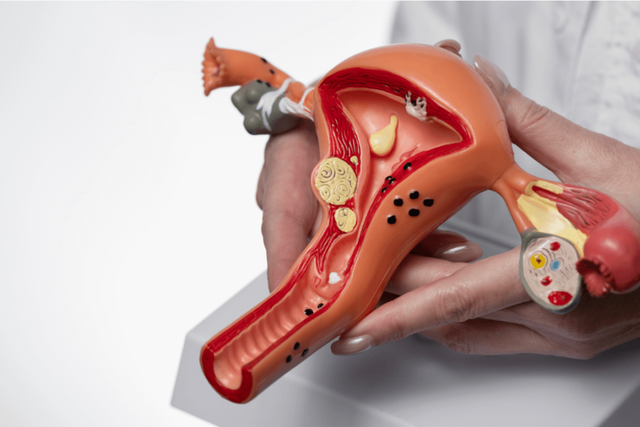
A PCOS diagnosis is not based only on having ovarian cysts. The name of the condition can be misleading because not every woman with PCOS develops visible cysts. Doctors consider hormone levels, ovulation problems, and ovarian appearance together when evaluating the condition. Proper testing helps rule out other health issues that may cause similar symptoms.
When Should You Consider PCOS Testing?
Women should consider PCOS testing if they experience persistent symptoms related to hormonal imbalance. Irregular menstrual cycles are one of the most common signs. This may include missing periods, very long cycles, or unpredictable bleeding patterns. Some women may also notice difficulty becoming pregnant due to irregular ovulation.
Other symptoms that may require evaluation include increased facial or body hair, severe acne, oily skin, thinning scalp hair, unexplained weight gain, or darkened skin patches around the neck and other areas. These symptoms can occur due to increased androgen levels or insulin-related changes associated with PCOS.
Teenagers and young women may also need evaluation if they have ongoing irregular periods several years after starting menstruation. While menstrual irregularity can be common during the early teenage years, continued problems should be discussed with a healthcare provider. Understanding how to get tested for PCOS allows women to recognize when professional advice may be needed.
Medical Consultation and Initial Evaluation
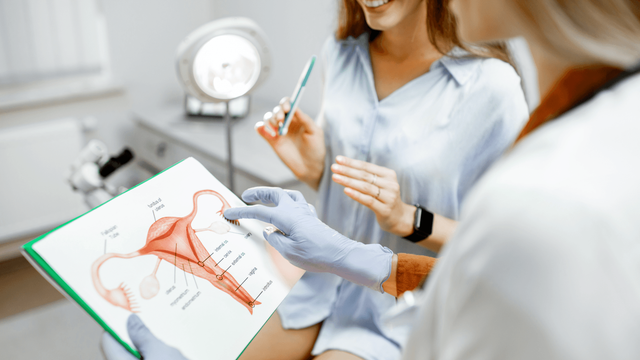
The first step in PCOS testing is scheduling an appointment with a healthcare provider. During the consultation, the doctor will ask questions about your menstrual cycle, symptoms, medical history, medications, lifestyle, and family history. This information helps the doctor understand possible causes behind your symptoms.
A physical examination may also be performed to check signs such as acne, excessive hair growth, weight changes, and skin changes. The doctor may calculate body mass index (BMI) and evaluate other health indicators that can be connected to hormonal conditions.
Your doctor may also ask about pregnancy history, previous menstrual patterns, and any changes you have noticed recently. Since PCOS affects different women differently, a personalized evaluation is important. The consultation helps determine which tests are necessary for accurate diagnosis.
Blood Tests Used for PCOS Diagnosis
Blood tests are an important part of checking hormone levels and identifying possible PCOS-related changes. Doctors may recommend several blood tests depending on your symptoms and health history. These tests help measure hormone levels and exclude other conditions with similar symptoms.
Common blood tests used during PCOS evaluation may include:
- Androgen hormone tests: These check levels of hormones such as testosterone that may be elevated in PCOS.
- Luteinizing hormone (LH) and follicle-stimulating hormone (FSH) tests: These help evaluate reproductive hormone balance.
- Thyroid tests: Thyroid problems can cause symptoms similar to PCOS.
- Prolactin tests: High prolactin levels may affect menstrual cycles.
- Blood sugar and insulin tests: These help identify insulin resistance, which is common in some women with PCOS.
Blood tests alone cannot confirm PCOS, but they provide valuable information about hormonal patterns. Doctors use these results along with symptoms and imaging tests to make a proper diagnosis.

Ultrasound Scan for PCOS Detection
An ultrasound is another common method used when learning how to get tested for PCOS. This imaging test allows doctors to examine the ovaries and uterus. It can help identify changes such as multiple small follicles or increased ovarian volume, which may be associated with PCOS.
A pelvic ultrasound may be performed through the abdomen or internally, depending on age, health factors, and medical recommendations. The scan provides images that help doctors understand the condition of the ovaries.
However, having ovarian cyst-like structures does not always mean someone has PCOS. Some women with PCOS may not show typical ovarian changes on ultrasound, while others without PCOS may have similar findings. Therefore, ultrasound results are considered along with symptoms and hormone tests.
PCOS Diagnosis Criteria Explained
Doctors commonly use specific medical guidelines to diagnose PCOS. One widely used approach considers three main factors:
- Irregular or absent ovulation
- Signs of increased androgen levels
- Polycystic appearance of ovaries on ultrasound
A woman may be diagnosed with PCOS if she meets certain criteria after other possible conditions are ruled out. Not every woman needs to have all three signs. This is why professional evaluation is important rather than relying only on online information or self-diagnosis.
The testing process may take time because doctors need to compare different results and understand the overall health picture. A careful diagnosis helps create a suitable treatment plan based on individual symptoms and goals.
Other Conditions Doctors May Rule Out
Several other health conditions can cause symptoms similar to PCOS. Before confirming a diagnosis, doctors may check for other possible causes of hormonal changes or menstrual problems.
Conditions that may be considered include thyroid disorders, high prolactin levels, certain adrenal gland disorders, and other hormone-related conditions. Additional tests may be recommended if symptoms suggest another underlying issue.
This step is important because treating the wrong condition may delay improvement. A complete evaluation ensures that women receive the most appropriate care for their specific health needs.
Preparing for Your PCOS Testing Appointment
Before visiting a doctor, it can be helpful to keep track of your symptoms and menstrual cycle. Writing down period dates, changes in bleeding patterns, weight changes, skin concerns, and other symptoms can provide useful information during your appointment.
You may also prepare questions about testing procedures, treatment options, fertility concerns, and lifestyle changes. Bringing previous medical reports or medication details can help your doctor understand your health history better.
Knowing how to get tested for PCOS can reduce confusion and help you feel more prepared before your medical consultation. A proper diagnosis gives you a clearer understanding of your body and the steps needed to manage symptoms.
What Happens After a PCOS Diagnosis?
After receiving a PCOS diagnosis, your doctor may recommend different management strategies depending on your symptoms and health goals. Treatment may focus on regulating periods, improving hormone balance, managing weight, supporting fertility, or reducing symptoms like acne and unwanted hair growth.
Lifestyle changes such as regular physical activity, balanced nutrition, stress management, and healthy sleep habits can support overall hormone health. Some women may also need medications based on their individual situation.
PCOS is a manageable condition, and many women successfully improve their symptoms with proper care. Regular follow-ups with a healthcare professional can help monitor progress and make adjustments when needed.
Conclusion
Understanding how to get tested for PCOS is important for women who experience symptoms related to hormonal imbalance. PCOS diagnosis involves a combination of symptom evaluation, physical examination, blood tests, and ultrasound scans rather than one single test. Early identification can help manage symptoms, support reproductive health, and reduce the risk of long-term health concerns.
If you notice irregular periods, acne, unwanted hair growth, weight changes, or fertility difficulties, discussing your concerns with a healthcare professional is a valuable step. With proper testing, guidance, and lifestyle management, women with PCOS can take control of their health and improve their quality of life.
Read More:-PCOS and Pregnancy: Chances, Challenges, and Helpful Tips