
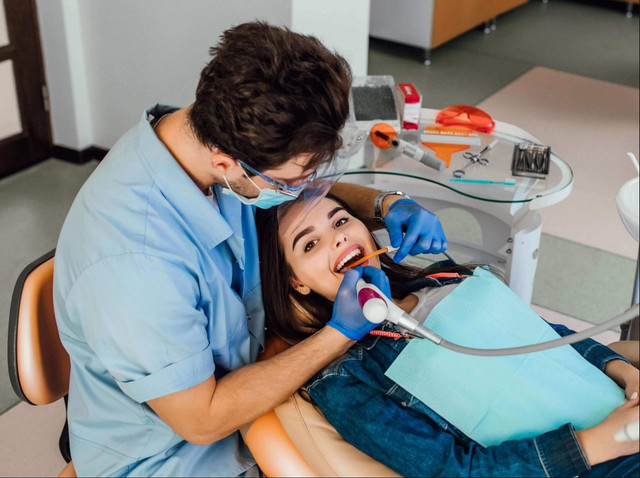
Oral health is one of the most important aspects of overall well-being. Healthy teeth and gums not only enhance appearance but also support proper nutrition, speech, and confidence. In recent years, national dental care programs and services have gained significant attention as governments, healthcare providers, and dental professionals work together to improve access to quality oral healthcare.
Dental care is no longer limited to treating cavities or extracting damaged teeth. Modern dentistry focuses on prevention, early diagnosis, advanced treatments, and patient education. Whether individuals require routine cleanings, cosmetic procedures, orthodontic treatment, or emergency care, comprehensive dental services play a crucial role in maintaining lifelong oral health.
This article explores the concept of national dental care, its importance, available services, benefits, challenges, and future developments that are shaping the dental industry worldwide.
Understanding National Dental Care
National dental care refers to organized dental healthcare services that aim to provide accessible and affordable oral health treatment to the population. These services may be supported by government initiatives, public healthcare systems, private insurance providers, or partnerships between public and private sectors.

The primary goal of dental care programs is to ensure that people receive preventive and restorative treatments regardless of their financial situation. Oral diseases such as tooth decay, gum disease, and oral infections affect millions of individuals globally. Without proper treatment, these conditions can lead to pain, tooth loss, and other serious health complications.
A well-structured dental care system emphasizes preventive measures, regular dental checkups, public awareness campaigns, and access to professional treatment. By focusing on prevention and early intervention, healthcare systems can reduce long-term costs and improve overall public health outcomes.
Why Oral Health Matters
Oral health is directly connected to general health. Poor dental hygiene can contribute to several medical conditions, including cardiovascular disease, diabetes complications, respiratory infections, and nutritional deficiencies.
When individuals neglect their oral health, harmful bacteria can accumulate in the mouth and spread throughout the body. This can increase inflammation and potentially worsen existing health conditions. Therefore, maintaining healthy teeth and gums is not just about appearance—it is a vital component of overall wellness.
Some major benefits of good oral health include:
- Reduced risk of tooth decay and gum disease
- Improved self-confidence and appearance
- Better chewing and digestion
- Fresh breath and improved social interactions
- Lower risk of certain systemic health issues
- Enhanced quality of life
The growing emphasis on national dental care reflects the understanding that oral health is an essential part of comprehensive healthcare.
Core Services Offered Through Dental Care Programs
Modern dental healthcare systems provide a wide range of services designed to meet the needs of different age groups and dental conditions.
Preventive Dental Care
Preventive care focuses on avoiding dental problems before they become serious. Regular checkups and cleanings help identify issues early and maintain healthy teeth and gums.
Preventive services often include:
- Routine dental examinations
- Professional teeth cleaning
- Fluoride treatments
- Dental sealants
- Oral cancer screenings
- Patient education
These services form the foundation of effective national dental care strategies because prevention reduces the need for expensive and complex treatments later.
Restorative Dentistry
Restorative treatments repair damaged or missing teeth and restore oral function. These procedures help patients maintain their ability to eat, speak, and smile confidently.
Common restorative treatments include:
- Dental fillings
- Crowns and bridges
- Root canal therapy
- Dentures
- Dental implants
Restorative dentistry plays a significant role in improving quality of life for individuals who experience tooth loss or severe dental damage.
Cosmetic Dentistry
Cosmetic dental procedures focus on enhancing the appearance of teeth and smiles. Although some cosmetic treatments are elective, they can significantly boost confidence and self-esteem.
Popular cosmetic procedures include:
- Teeth whitening
- Veneers
- Dental bonding
- Smile makeovers
- Gum contouring
Many patients seek cosmetic dentistry to achieve a brighter and more attractive smile while maintaining good oral health.
Dental Care Services by Age Group
Different stages of life require different dental care approaches. Effective dental systems provide specialized services tailored to the needs of each age group.
| Age Group | Primary Dental Needs | Common Treatments |
|---|---|---|
| Children | Cavity prevention, oral hygiene education | Sealants, fluoride treatments |
| Teenagers | Orthodontic correction, preventive care | Braces, retainers |
| Adults | Maintenance and restoration | Fillings, crowns, cleanings |
| Seniors | Tooth replacement and gum care | Dentures, implants, periodontal treatment |
This age-specific approach ensures that individuals receive appropriate care throughout their lives.
The Role of Preventive Education
Education is a critical component of successful dental healthcare systems. Teaching people how to care for their teeth and gums helps prevent many common oral diseases.
Dental education programs often focus on:
Proper Brushing Techniques
Many people brush daily but may not use the correct technique. Dentists recommend brushing twice a day with fluoride toothpaste and using a soft-bristled toothbrush.
Flossing and Interdental Cleaning
Flossing removes plaque and food particles from areas that toothbrushes cannot reach. Regular flossing significantly reduces the risk of gum disease.
Healthy Dietary Habits
Limiting sugary snacks and beverages can help prevent tooth decay. A balanced diet rich in vitamins and minerals supports healthy teeth and gums.
Educational initiatives within national dental care programs help create long-term improvements in public oral health by encouraging healthy habits from an early age.
Technology Transforming Modern Dentistry
Advancements in dental technology have revolutionized patient care. Modern equipment allows dentists to diagnose problems earlier, perform procedures more accurately, and improve patient comfort.
Digital Imaging
Digital X-rays provide detailed images while exposing patients to less radiation than traditional methods. These images help dentists detect cavities, infections, and structural abnormalities.
3D Scanning and Printing
Three-dimensional scanning technology enables precise treatment planning and fabrication of crowns, bridges, and orthodontic appliances.
Laser Dentistry
Laser treatments offer minimally invasive solutions for various dental procedures. They can reduce discomfort, minimize bleeding, and accelerate healing.
Artificial Intelligence in Dentistry
AI-powered systems assist dentists in analyzing dental images, identifying abnormalities, and improving diagnostic accuracy.
As technology continues to evolve, national dental care systems can provide more efficient, affordable, and patient-centered services.
Common Dental Problems and Their Solutions
Despite advancements in oral healthcare, several dental issues remain widespread across populations.
Tooth Decay
Tooth decay occurs when bacteria produce acids that damage tooth enamel. Early treatment typically involves fillings, while severe cases may require root canals or crowns.
Gum Disease
Gum disease ranges from mild gingivitis to advanced periodontitis. Professional cleaning, improved oral hygiene, and periodontal treatments can help manage the condition.
Tooth Loss
Missing teeth affect appearance, speech, and chewing ability. Treatment options include dental implants, bridges, and dentures.
Tooth Sensitivity
Sensitivity often results from enamel wear or gum recession. Dentists may recommend specialized toothpaste, fluoride treatments, or restorative procedures.
Regular dental visits remain the best way to identify and address these issues before they become more serious.
Benefits of Accessible Dental Care
Accessible dental services benefit individuals, communities, and healthcare systems as a whole. Expanding access to oral healthcare can lead to significant social and economic advantages.
Key benefits include:
- Improved overall health outcomes
- Reduced emergency dental visits
- Lower healthcare costs over time
- Increased workplace productivity
- Better academic performance among children
- Enhanced confidence and social well-being
Strong national dental care initiatives can help reduce health disparities and ensure that more people receive timely treatment.
Challenges Facing Dental Healthcare Systems
Despite progress, many healthcare systems continue to face obstacles in delivering comprehensive dental services.
Cost of Treatment
Dental procedures can be expensive, particularly for individuals without insurance coverage. Financial barriers often prevent people from seeking timely care.
Workforce Shortages
Some regions experience shortages of dental professionals, limiting access to treatment and increasing wait times.
Geographic Inequality
Rural and remote communities may have limited access to dental clinics and specialized services.
Lack of Awareness
Many individuals underestimate the importance of oral health and postpone treatment until serious problems develop.
Addressing these challenges is essential for improving the effectiveness and reach of national dental care programs.
The Future of National Dental Care
The future of dental healthcare is expected to focus on prevention, technology, accessibility, and personalized treatment. Governments and healthcare organizations are increasingly recognizing oral health as a fundamental component of overall healthcare.
Emerging trends include:
- Expanded preventive care initiatives
- Increased use of tele-dentistry
- AI-assisted diagnostics
- Personalized treatment planning
- Improved insurance coverage
- Greater integration with general healthcare services
Tele-dentistry, in particular, is creating new opportunities for remote consultations and early diagnosis, especially in underserved areas.
As innovation continues, patients can expect more convenient, efficient, and affordable dental services.
Tips for Maintaining Excellent Oral Health
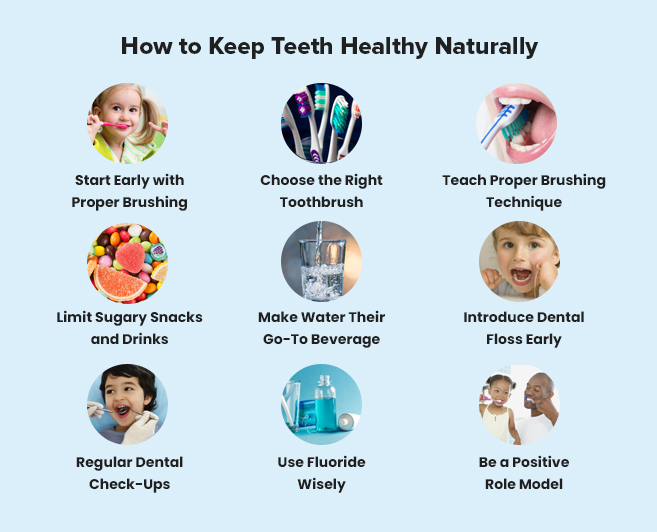
Good oral hygiene habits remain the foundation of long-term dental health. Individuals can protect their smiles by following simple daily practices.
Recommended habits include:
- Brush teeth twice daily with fluoride toothpaste
- Floss every day
- Visit the dentist regularly
- Eat a balanced diet
- Limit sugary foods and beverages
- Avoid tobacco products
- Stay hydrated
- Replace toothbrushes regularly
Consistent adherence to these habits can significantly reduce the risk of dental disease and improve overall well-being.
Conclusion
Oral health plays a vital role in overall health, confidence, and quality of life. The development of comprehensive national dental care systems demonstrates a growing commitment to ensuring that individuals have access to preventive, restorative, and specialized dental services. By focusing on education, early intervention, technological innovation, and accessibility, healthcare providers can improve oral health outcomes across entire populations.


