Introduction
Raising a healthy child begins with making informed decisions, and one of the most crucial among them is timely vaccination. Immunization is a powerful shield that protects infants from potentially life-threatening diseases during their most vulnerable years. In India, government hospitals have created a structured and accessible system to ensure that every child receives essential vaccines regardless of financial background.
For parents, especially first-time caregivers, understanding the process can feel overwhelming. This is where the baby vaccination chart in govt hospital becomes extremely helpful. It acts as a roadmap, guiding you through each stage of your child’s immunization journey.
In today’s fast-paced world, where information is abundant but often confusing, having a reliable source of guidance is essential. Government health programs simplify this process by offering standardized vaccination schedules that are easy to follow and widely trusted. These programs are designed not only to protect individual children but also to strengthen public health as a whole.
This comprehensive article will walk you through everything you need to know—from schedules and benefits to practical tips—so you can confidently ensure your baby’s health and well-being.
Understanding Infant Immunization in India
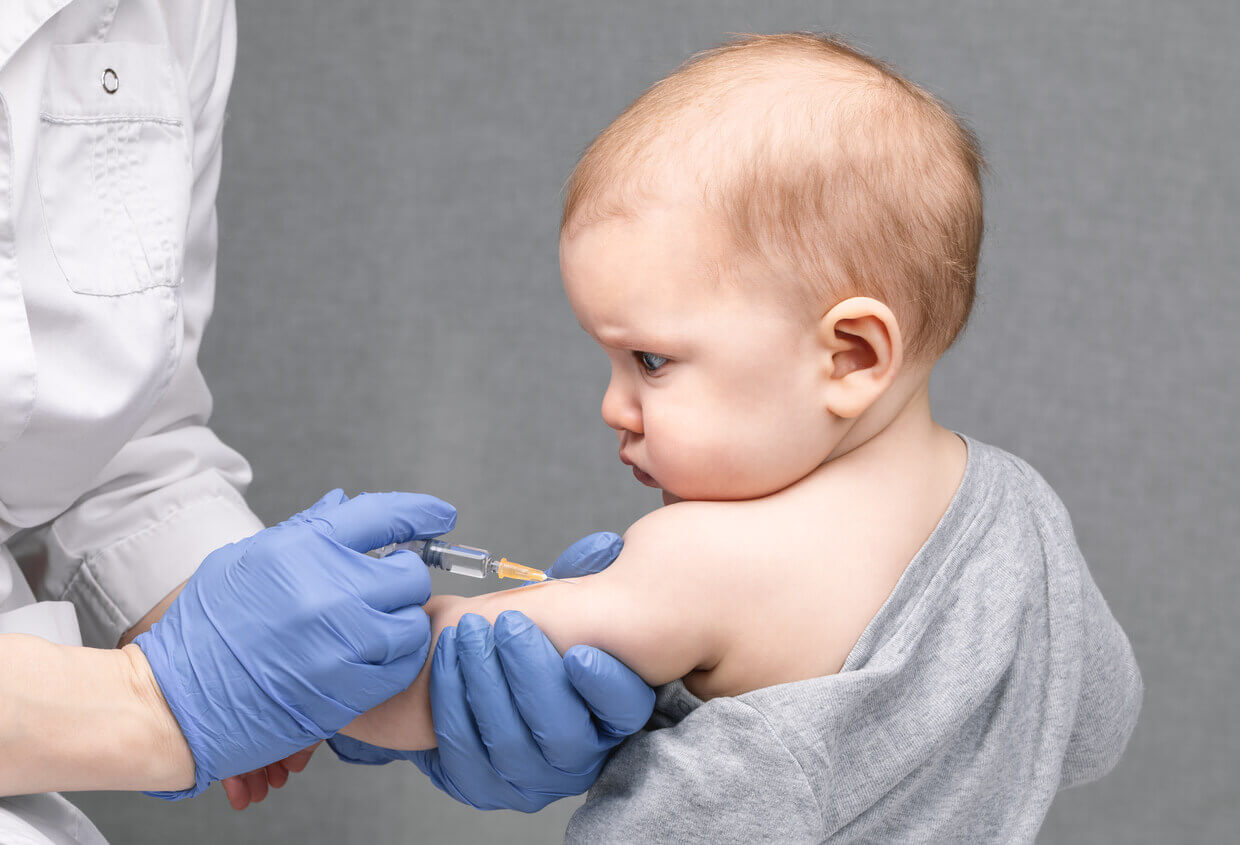
Infant immunization refers to the process of administering vaccines to babies at specific intervals to protect them from infectious diseases. These vaccines stimulate the immune system to recognize harmful pathogens and fight them effectively.
How Immunization Works
Vaccines contain weakened or inactive parts of a pathogen that trigger the immune response.
This helps the body remember the infection and respond quickly in the future.
Immunization is a scientific breakthrough that has saved millions of lives worldwide. By introducing a harmless version of a disease-causing organism, vaccines train the body without exposing it to real danger. Over time, this builds a strong defense system that protects children during their most sensitive years.
Role of Public Healthcare System
Government hospitals ensure vaccines reach every child through organized programs.
They maintain consistency and accessibility across both rural and urban areas.
India’s public healthcare system plays a crucial role in bridging the gap between affordability and quality care. Through initiatives like routine immunization drives, mobile clinics, and awareness campaigns, even the most remote communities are being reached. This ensures that no child is left behind due to lack of resources or information.
The purpose is not just individual protection.
It is also about building community immunity.
Why the Vaccination Schedule Matters
The timing of vaccines is carefully planned based on a child’s immune system development. Each vaccine is scheduled at a specific age to provide maximum protection when the child is most at risk.
Importance of Timely Doses
The baby vaccination chart in govt hospital ensures that no dose is missed.
It also ensures vaccines are given when they are most effective.
Vaccines are not randomly scheduled. Each dose is strategically timed to match the stages of a baby’s immune system development. This ensures that the body responds optimally and builds strong, lasting immunity against diseases.
Risks of Delayed Vaccination
Delays can reduce effectiveness and leave your child vulnerable.
Consistency is key to long-term protection.
Even a small delay can create gaps in protection, especially during early infancy when babies are highly susceptible to infections. Parents should always aim to stick to the schedule as closely as possible to avoid unnecessary risks.
Following the schedule strictly ensures that your baby is safeguarded during every stage of early growth.
Overview of the Baby Vaccination Chart in Govt Hospital
The baby vaccination chart in govt hospital is a standardized guide provided to parents, usually through the Mother and Child Protection (MCP) card. It outlines which vaccines should be given and when.
What the Chart Includes
It starts from birth and continues through early childhood.
It covers vaccines for diseases like TB, polio, hepatitis, and measles.
The chart is simple yet highly informative, making it easy for parents to understand and follow. Each entry clearly mentions the age, type of vaccine, and purpose, ensuring there is no confusion about what needs to be done next.
Why the Chart Is Essential
It helps parents track vaccination progress easily.
It also ensures no important dose is skipped.
Without a proper record, it becomes difficult to remember which vaccines have been administered. The chart eliminates this confusion and serves as a reliable reference throughout your child’s early years.
Parents are advised to keep this chart safe and bring it to every hospital visit.
Detailed Vaccination Schedule Followed in Government Hospitals
Below is a simplified yet comprehensive version of the vaccination schedule commonly followed across India:
| Age | Vaccines Given | Purpose |
|---|---|---|
| At Birth | BCG, OPV-0, Hepatitis B | Protection from TB, Polio, Hepatitis B |
| 6 Weeks | DPT-1, OPV-1, Hib-1, Hep B-2, Rotavirus | Protection from infections |
| 10 Weeks | DPT-2, OPV-2, Hib-2, Rotavirus | Continued immunity |
| 14 Weeks | DPT-3, OPV-3, Hib-3, Rotavirus | Stronger protection |
| 6 Months | Vitamin A | Boost immunity |
| 9 Months | Measles-Rubella, JE | Prevent viral diseases |
| 16–24 Months | Booster doses | Reinforcement |
| 5–6 Years | DPT Booster | Long-term protection |
This schedule is part of the baby vaccination chart in govt hospital system, ensuring complete protection.
This table represents years of research and careful planning by healthcare experts. It ensures that children receive vaccines at the most effective stages of their development, maximizing benefits and minimizing risks.
How Government Hospitals Deliver Vaccination Services
Government hospitals have developed an organized system to ensure smooth and efficient immunization services.
Immunization Days and Camps
Hospitals conduct weekly or monthly vaccination sessions.
Special outreach programs are also organized in rural areas.
In many regions, dedicated immunization days are announced in advance so parents can plan their visits. These sessions are designed to handle multiple patients efficiently while maintaining safety and hygiene standards.
Tracking and Monitoring
Healthcare workers maintain records of each child.
They also remind parents about upcoming doses.
Modern tracking systems, along with traditional record-keeping, ensure that no child misses essential vaccines. This dual approach strengthens the reliability of the baby vaccination chart in govt hospital system.
Advantages of Choosing Government Hospitals for Vaccination
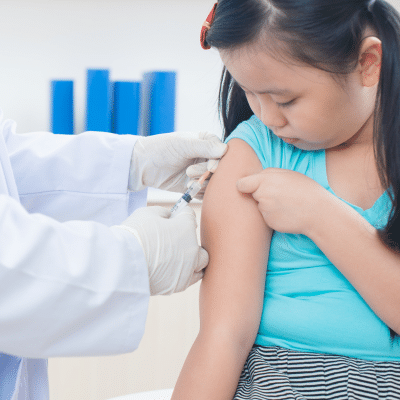
Choosing a government hospital offers multiple benefits for parents.
Cost-Effective Services
Vaccines are provided free under national programs.
This reduces financial burden on families.
For many families, affordability is a major concern. Government hospitals eliminate this barrier by offering free vaccines, ensuring that every child has access to life-saving immunization.
Qualified Healthcare Staff
Trained professionals administer vaccines safely.
They also guide parents throughout the process.
Healthcare workers are well-trained in handling infants and managing vaccinations. Their expertise ensures that the process is both safe and efficient.
Standardized Procedures
Strict protocols ensure vaccine safety and quality.
This builds trust in public healthcare services.
Government hospitals follow strict guidelines for storage, handling, and administration of vaccines, ensuring consistent quality across the country.
Common Vaccines and Their Importance
BCG Vaccine
This vaccine protects against tuberculosis and is given at birth.
A small scar after vaccination is normal and harmless.
Tuberculosis is a serious disease, and early protection is essential. The BCG vaccine provides this protection right from the start of life.
Polio Vaccine (OPV)
Protects against poliovirus, which can cause paralysis.
Multiple doses ensure complete immunity.
India has made significant progress in eradicating polio, and vaccination plays a key role in maintaining this achievement.
DPT Vaccine
Guards against diphtheria, pertussis, and tetanus.
Booster doses help maintain long-term protection.
These diseases can have severe consequences if left untreated, making the DPT vaccine a critical part of the immunization schedule.
Measles-Rubella Vaccine
Prevents measles and rubella infections.
It also helps control outbreaks in communities.
Vaccination not only protects individual children but also prevents the spread of these diseases within communities.
Conclusion: Take Charge of Your Child’s Health Today
Your child’s health is one of the most valuable investments you will ever make. Vaccination is a simple yet powerful step that can prevent serious illnesses and ensure a healthy future.
The baby vaccination chart in govt hospital provides a clear, structured, and reliable guide to help parents navigate this journey with confidence. By following the schedule, staying informed, and maintaining proper records, you can ensure that your baby receives complete protection.
Do not delay or skip vaccinations.
Visit your nearest government hospital and confirm your child’s immunization status today.
A small step taken now can make a lifetime of difference.