Introduction
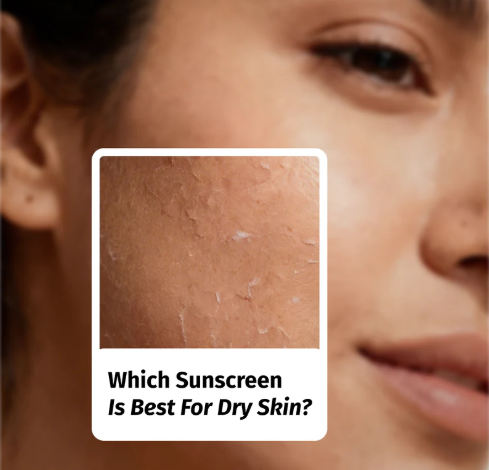
When it comes to skincare, sunscreen is often treated as a final step—something you apply quickly before stepping out. But if you have dry skin, sunscreen becomes much more than just protection. It becomes a crucial layer of hydration, comfort, and long-term skin health.
Many people struggle with sunscreens that feel heavy, leave a white cast, or worse—make the skin feel even drier. That’s why understanding which sunscreen is best for dry skin is essential for building a routine that actually works.
Dry skin needs more than just SPF. It needs nourishment, barrier support, and ingredients that lock in moisture throughout the day. In this guide, we’ll explore everything you need to know—from ingredients and textures to expert tips and product comparisons—so you can confidently choose the right sunscreen.
Why Dry Skin Needs Special Sunscreen Care
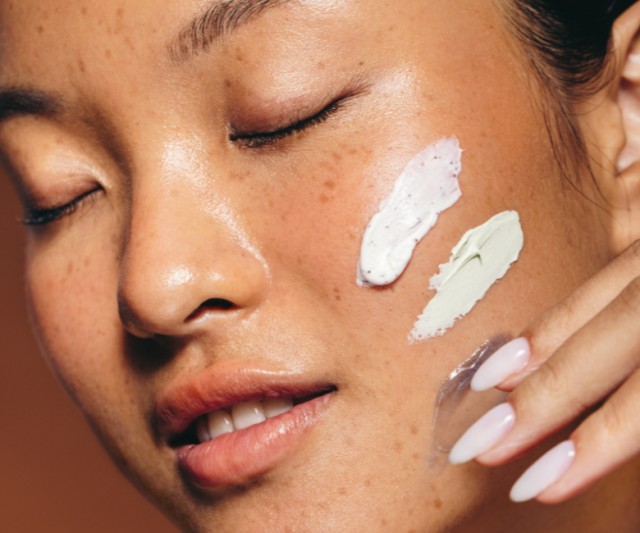
Dry skin lacks natural oils, which means it has a weaker barrier to protect against environmental stressors. When exposed to sunlight without proper protection, this type of skin becomes even more vulnerable.
Sun damage doesn’t just cause tanning—it actively pulls moisture out of your skin. This leads to tightness, flakiness, and irritation. Over time, it can also accelerate aging, making fine lines and wrinkles more visible.
A well-formulated sunscreen for dry skin works differently. It doesn’t just sit on top of your skin to block UV rays—it also nourishes and strengthens your skin barrier. This dual function is what makes choosing the right sunscreen so important.
If you’ve ever applied sunscreen and felt your skin becoming patchy or uncomfortable, chances are the formula wasn’t designed for your skin type. That’s why identifying which sunscreen is best for dry skin can transform your daily skincare experience.
Understanding What Makes a Sunscreen Hydrating
Not all sunscreens are created equal. Some are designed for oily skin, some for acne-prone skin, and others specifically for hydration. The key difference lies in the formulation.
Hydrating sunscreens include ingredients that attract moisture (humectants), seal it in (emollients), and repair the skin barrier. These formulations are usually creamier and richer in texture, making them ideal for dry skin types.
When looking for which sunscreen is best for dry skin, you should focus on how it feels after application. Does your skin feel soft and plump, or tight and dry? The answer will tell you everything you need to know about the product’s suitability.
Another important factor is how the sunscreen behaves throughout the day. A good hydrating sunscreen should maintain comfort for hours, without requiring constant reapplication due to dryness.
Key Ingredients That Work Wonders for Dry Skin
Hyaluronic Acid for Deep Hydration
Hyaluronic acid is one of the most powerful hydrating ingredients in skincare. It attracts water molecules and keeps your skin hydrated from within.
Sunscreens that include hyaluronic acid are excellent for dry skin because they provide continuous moisture throughout the day. This ingredient ensures your skin feels fresh, not tight, even after hours of wear.
Ceramides for Barrier Repair
Ceramides are essential lipids that help maintain your skin’s natural barrier. When your skin lacks ceramides, it loses moisture quickly and becomes prone to dryness.
Choosing a sunscreen with ceramides can significantly improve your skin’s ability to retain hydration. This is especially helpful if your skin feels rough or flaky.
Glycerin for Long-Lasting Moisture
Glycerin is a humectant that draws moisture into the skin and keeps it there. It’s commonly found in hydrating sunscreens because of its ability to provide lasting softness.
If your goal is to find which sunscreen is best for dry skin, make sure glycerin is high on the ingredient list.
Natural Soothing Ingredients
Ingredients like aloe vera, oats, and shea butter can calm dryness and irritation. These are especially useful if your dry skin is also sensitive.
They not only hydrate but also reduce redness and discomfort, making sunscreen application a soothing experience.
Choosing the Right Texture for Maximum Comfort
Texture plays a huge role in how effective a sunscreen is for dry skin. Even if a product has great ingredients, the wrong texture can make it unsuitable.
Cream-based sunscreens are generally the best choice. They are thicker, more nourishing, and provide a protective layer that prevents moisture loss.
Lotion-based sunscreens are slightly lighter but still hydrating enough for daily use. These are ideal if you prefer something less heavy but still moisturizing.
Gel-based sunscreens, on the other hand, are often not suitable for dry skin. They may feel refreshing initially but can leave your skin feeling tight after a few hours.
Understanding texture is key when deciding which sunscreen is best for dry skin, as it directly affects comfort and hydration levels.
SPF and Protection: What You Really Need
Protection is the primary purpose of sunscreen, so it’s important not to compromise on SPF.
For dry skin, SPF 50 with PA++++ is ideal. This level of protection ensures your skin is shielded from both UVB and UVA rays.
UVB rays cause sunburn, while UVA rays penetrate deeper and contribute to aging. A broad-spectrum sunscreen protects against both, making it essential for maintaining healthy skin.
Even the most hydrating sunscreen won’t be effective if it doesn’t provide adequate protection. So always balance hydration with high SPF when choosing your product.
Top Sunscreen Options for Dry Skin
When exploring which sunscreen is best for dry skin, it helps to compare different options based on their features.
Comparison Table: Best Sunscreens for Dry Skin
| Feature | Ceramide Sunscreen | Hyaluronic Sunscreen | Sensitive Skin Sunscreen |
|---|---|---|---|
| Hydration Level | High | Medium-High | High |
| Best For | Very dry skin | Daily hydration | Irritated skin |
| Texture | Creamy | Lotion | Cream |
| Key Ingredient | Ceramides | Hyaluronic Acid | Oats & Ceramides |
| Finish | Soft & smooth | Dewy | Calm & nourished |
How to Apply Sunscreen on Dry Skin Properly
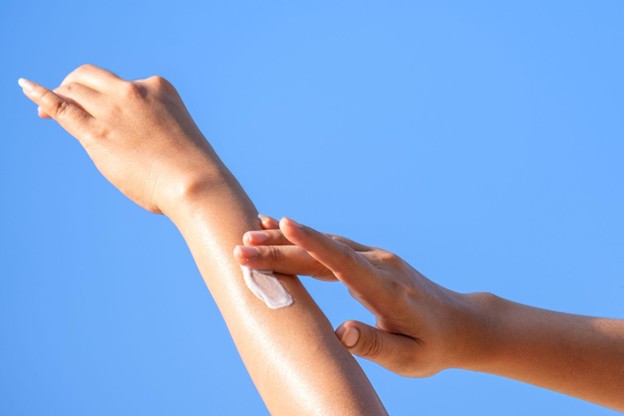
Application technique matters just as much as the product itself.
Start with a good moisturizer. This creates a hydrated base and helps the sunscreen glide smoothly over your skin.
Use enough product—most people don’t apply enough sunscreen, which reduces its effectiveness. The “two-finger rule” is a simple way to ensure proper coverage.
Apply evenly across your face and neck, and don’t forget areas like your ears and hairline.
Reapply every two to three hours, especially if you’re outdoors. Even the best sunscreen needs reinforcement to stay effective.
Common Mistakes People with Dry Skin Make
One of the biggest mistakes is skipping moisturizer before sunscreen. This can make even the best sunscreen feel insufficient.
Another mistake is choosing products designed for oily skin. These often contain ingredients that control oil but also strip moisture.
Not reapplying sunscreen is another common issue. Over time, the protective layer breaks down, leaving your skin exposed.
Avoiding these mistakes can make a significant difference in how your skin feels and looks.
The best sunscreen for dry skin combines SPF 50, hydrating ingredients, and a cream-based texture to protect and nourish simultaneously.
How to Build a Simple Skincare Routine Around Sunscreen
A good routine doesn’t have to be complicated.
Start with a gentle cleanser that doesn’t strip your skin. Follow it with a hydrating moisturizer that suits your skin type.
Apply sunscreen as the final step in your morning routine. This locks in all the previous layers and provides protection throughout the day.
At night, focus on repairing your skin with nourishing creams and serums. This ensures your skin stays healthy and hydrated.
Consistency is more important than complexity. A simple routine done daily will always give better results than a complicated one done occasionally.
Seasonal Changes and Sunscreen Needs
Your skin’s needs can change with the seasons.
In winter, your skin may require richer, more nourishing sunscreens. In summer, you might prefer slightly lighter formulations that still provide hydration.
Understanding these changes helps you adapt your routine and maintain healthy skin year-round.
FAQs
Which sunscreen is best for dry skin in daily use?
A cream-based sunscreen with hydrating ingredients like ceramides or hyaluronic acid is ideal for everyday use.
Can sunscreen make dry skin worse?
Yes, if it contains alcohol or lacks hydrating ingredients. Choosing the right formula prevents this issue.
Is SPF 30 enough for dry skin?
SPF 30 offers some protection, but SPF 50 is recommended for better coverage, especially in sunny climates.
Should I use moisturizer before sunscreen?
Yes, always apply moisturizer first to keep your skin hydrated and improve sunscreen performance.
How often should I reapply sunscreen?
Every two to three hours, especially when exposed to sunlight.
Conclusion: Choosing the Right Sunscreen for Healthy Skin
Finding which sunscreen is best for dry skin doesn’t have to be complicated. It all comes down to understanding your skin’s needs and choosing products that meet those needs effectively.
Look for hydrating ingredients like hyaluronic acid, ceramides, and glycerin. Choose cream-based textures that provide comfort and nourishment. And always opt for SPF 50 with broad-spectrum protection.
Remember, sunscreen is not just about preventing sunburn—it’s about maintaining your skin’s overall health. With the right choice, you can keep your skin soft, hydrated, and protected every single day.
Make sunscreen a non-negotiable part of your routine, and your skin will thank you in the long run
Read More:-Best Face Wash Options for Dry Skin: Hydration Guide Now