Polycystic Ovary Syndrome (PCOS) is a common hormonal condition that affects many women during their reproductive years. One of the most frustrating symptoms associated with this condition is unexplained weight gain or difficulty losing weight. Many women with PCOS notice changes in their body weight despite following regular diets and exercise routines. This happens because PCOS affects hormone levels, metabolism, and the way the body processes insulin. Understanding the reasons behind PCOS weight gain can help women make better lifestyle choices and manage symptoms more effectively. With proper nutrition, physical activity, stress management, and medical guidance, maintaining a healthy weight with PCOS is possible.
What Causes PCOS Weight Gain?
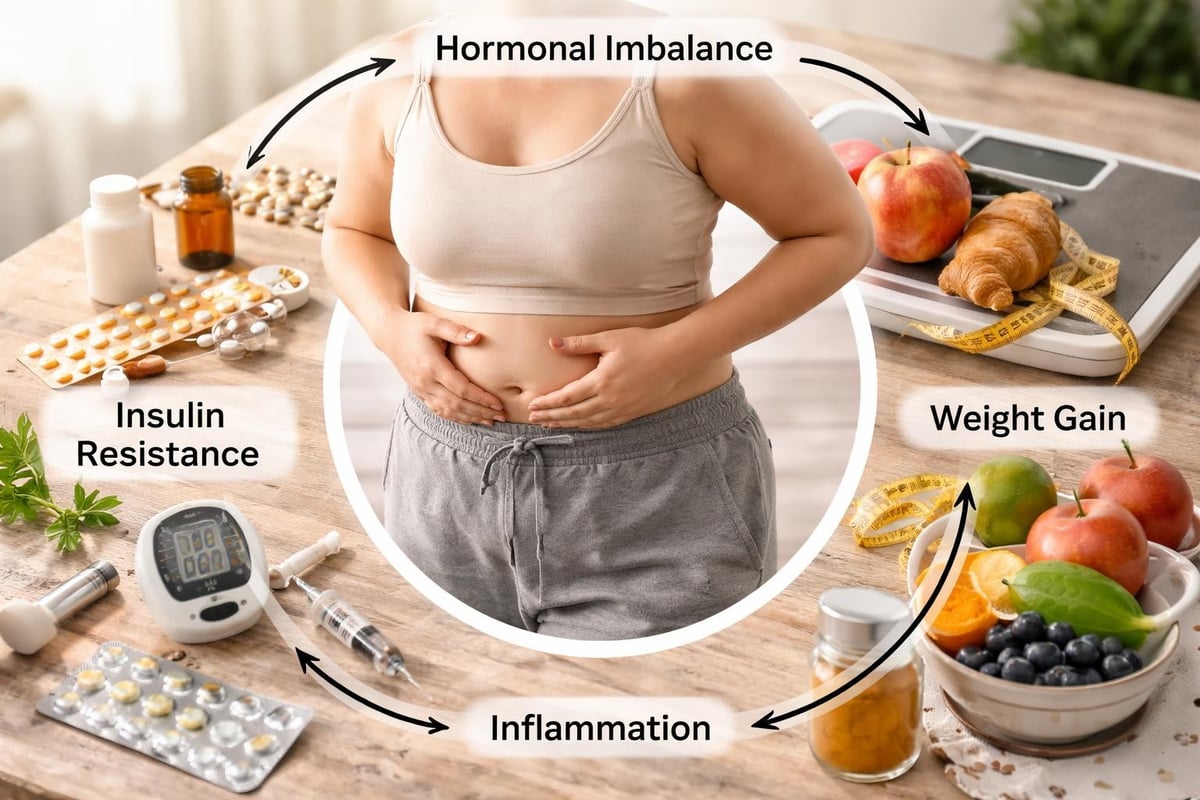
PCOS weight gain is mainly linked to hormonal imbalance and insulin resistance. Women with PCOS often have higher levels of insulin, a hormone responsible for controlling blood sugar levels. When the body becomes resistant to insulin, it produces more insulin to compensate. Increased insulin levels can encourage fat storage, especially around the abdomen, making weight management more challenging.
Hormonal changes, including higher androgen levels, can also affect how the body stores fat and regulates appetite. PCOS may slow metabolism, increase cravings for sugary foods, and make it harder for the body to use stored fat as energy. These factors together contribute to weight gain and difficulty maintaining a healthy body weight.
How Hormonal Imbalance Affects Weight in PCOS
Hormones play an important role in regulating metabolism, hunger, and fat storage. In women with PCOS, hormone fluctuations can disturb these natural processes. Increased androgen levels may lead to more fat accumulation around the belly area, while insulin resistance can increase hunger and cravings.
Another important hormone involved in PCOS is cortisol, which is related to stress. Chronic stress can increase cortisol levels, leading to more fat storage and emotional eating habits. Poor sleep can also affect hunger hormones like ghrelin and leptin, causing increased appetite and making PCOS weight gain more difficult to control.
Common Signs of PCOS-Related Weight Gain
Weight gain related to PCOS may appear differently from normal weight changes. Some common signs include:
- Difficulty losing weight despite regular exercise
- Increased fat around the waist and abdomen
- Frequent sugar or carbohydrate cravings
- Feeling tired after eating high-carbohydrate meals
- Irregular periods along with weight changes
- Increased hunger or appetite fluctuations
These symptoms may vary from person to person. Not every woman with PCOS experiences weight gain, but many struggle with changes in body composition due to hormonal and metabolic factors.
The Connection Between Insulin Resistance and PCOS Weight Gain
Insulin resistance is one of the major reasons behind PCOS weight gain. When cells do not respond properly to insulin, glucose remains in the bloodstream instead of entering cells for energy. The body then produces more insulin, which encourages fat storage and increases cravings for high-calorie foods.
Managing insulin levels through balanced meals, regular movement, and healthy lifestyle habits can support better weight control. Foods rich in protein, fiber, and healthy fats can help maintain stable blood sugar levels and reduce sudden hunger. Small dietary changes can make a significant difference in managing PCOS symptoms.
Best Diet Approach for Managing PCOS Weight Gain
A balanced diet is an important part of managing weight with PCOS. Instead of following extreme diets, women should focus on long-term healthy eating habits. A PCOS-friendly diet usually includes foods that support stable blood sugar and hormonal balance.
Important food choices include:
- High-fiber vegetables and fruits
- Lean proteins such as eggs, fish, and legumes
- Whole grains instead of refined carbohydrates
- Healthy fats from nuts, seeds, and olive oil
- Adequate water intake
Reducing processed foods, sugary drinks, and excessive refined carbohydrates can help improve insulin sensitivity. A sustainable eating plan is more effective than short-term restrictive diets.
Exercise and Physical Activity for PCOS Weight Management
Regular exercise can help improve insulin sensitivity, increase metabolism, and support healthy weight control. Both strength training and cardiovascular exercises can be beneficial for women with PCOS.
Strength training helps build muscle, which increases calorie burning and improves glucose usage. Activities like walking, cycling, swimming, yoga, and resistance workouts can support overall health. Consistency is more important than intense workouts, and choosing enjoyable activities makes it easier to maintain a routine.
Exercise also helps reduce stress levels and improves sleep quality, which are important factors in controlling PCOS symptoms.
Lifestyle Changes That Support Healthy Weight
Managing PCOS weight gain requires more than just diet and exercise. Lifestyle habits can have a major impact on hormonal health and metabolism. Getting enough sleep, managing stress, and maintaining a consistent daily routine can support better results.
Women with PCOS should aim for seven to nine hours of quality sleep each night because poor sleep can increase cravings and affect hormones linked to appetite. Stress management techniques such as meditation, breathing exercises, and relaxation activities may also help improve overall well-being.
Can PCOS Weight Gain Be Reversed?
Many women wonder whether PCOS-related weight gain can be reversed. While PCOS is a long-term hormonal condition, weight management and symptom improvement are possible with consistent lifestyle changes. Even a modest reduction in body weight can help improve insulin sensitivity, menstrual regularity, and hormone balance.
The goal should not be rapid weight loss but creating healthy habits that can be maintained over time. Every person responds differently, so finding an approach that works for individual needs is important.
Medical Treatments and Professional Support
In some cases, lifestyle changes alone may not be enough to manage PCOS weight gain. Healthcare professionals may recommend treatments based on symptoms, hormone levels, and overall health.
Doctors may suggest medications that help improve insulin sensitivity, regulate hormones, or support fertility goals. Consulting a healthcare provider can help create a personalized management plan. Regular checkups and monitoring can also help identify changes early and improve long-term health outcomes.
Common Mistakes Women Make While Managing PCOS Weight
Many women with PCOS struggle because of unrealistic expectations or incorrect approaches. Common mistakes include skipping meals, following extreme diets, focusing only on weight loss, or exercising excessively without proper nutrition.
A healthy approach focuses on improving metabolism, balancing hormones, and building sustainable habits. Weight changes may happen gradually, but consistent efforts usually provide better long-term results.
Tips to Manage PCOS Weight Gain Naturally
Some practical strategies that may help include:
- Eat balanced meals with protein and fiber
- Avoid long gaps between meals
- Stay physically active throughout the week
- Reduce stress through relaxation techniques
- Track symptoms and lifestyle habits
- Maintain a regular sleep schedule
- Stay consistent instead of seeking quick fixes
Small daily improvements can help support better hormonal balance and overall health.
Conclusion
PCOS weight gain is a common challenge caused by factors such as insulin resistance, hormonal imbalance, metabolism changes, and lifestyle influences. While managing weight with PCOS can be more difficult, it is achievable with the right approach. A balanced diet, regular exercise, proper sleep, stress management, and professional guidance can help improve symptoms and support healthier weight control.
Instead of focusing only on the number on the scale, women with PCOS should focus on improving overall health and creating sustainable habits. With patience and consistency, it is possible to manage PCOS symptoms and achieve better physical and hormonal well-being.
Read More:-Spironolactone for PCOS: Benefits, Uses, and Safety Guide