The Expanding Role of Preventive Healthcare in Modern Society
Preventive healthcare has become one of the most powerful pillars of modern medicine. Instead of waiting for diseases to develop and then treating them, healthcare systems across the world are focusing on stopping illnesses before they begin. This approach not only saves lives but also reduces the economic burden on individuals and governments.
Among the various preventive strategies available today, vaccination stands out as one of the most effective. Vaccines have already eliminated or significantly reduced the spread of many infectious diseases. Building on this success, healthcare systems are now focusing on newer threats that can be prevented through early intervention.
One such initiative is the hpv vaccination drive, which is rapidly gaining global importance. This campaign is not just about preventing infection; it is about protecting future generations from cancers and other serious diseases caused by human papillomavirus (HPV). By promoting awareness, accessibility, and timely immunization, this initiative is reshaping the future of public health.
Understanding HPV and Its Health Implications
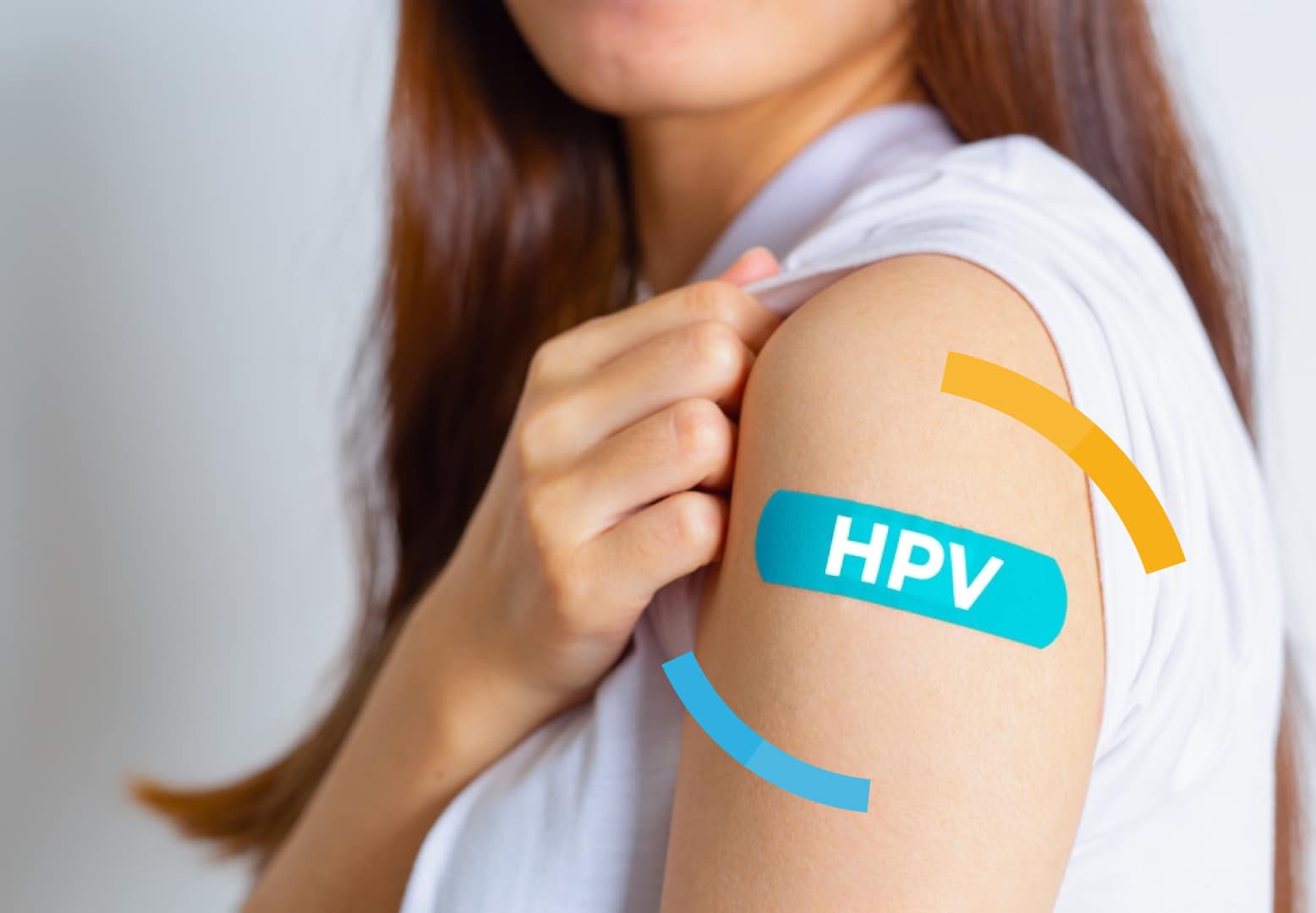
What Is HPV?
Human papillomavirus (HPV) is a group of more than 200 related viruses. It is one of the most common infections worldwide, with a large percentage of the population likely to contract it at some point in their lives.
HPV spreads primarily through direct skin-to-skin contact. While many infections are harmless and resolve on their own, some strains can persist and cause severe health issues over time.
High-Risk vs Low-Risk Strains
HPV strains are generally classified into low-risk and high-risk categories. Low-risk types may cause conditions like warts, while high-risk types are associated with cancers.
High-risk HPV strains, particularly HPV-16 and HPV-18, are responsible for the majority of cervical cancer cases. They are also linked to cancers of the throat, anus, and reproductive organs.
Why HPV Is a Silent Threat
One of the most challenging aspects of HPV is that it often shows no symptoms. People may carry the virus for years without knowing it, which allows it to spread unknowingly.
This silent nature makes prevention crucial. The hpv vaccination drive addresses this issue by providing immunity before exposure occurs, significantly reducing the risk of infection and its consequences.
The Science Behind HPV Vaccination
How the Vaccine Works
The HPV vaccine uses virus-like particles that mimic the structure of the actual virus. These particles are harmless and do not contain viral DNA, meaning they cannot cause infection.
When introduced into the body, they stimulate the immune system to produce antibodies. These antibodies remain in the body and provide protection if the person is exposed to the real virus in the future.
Immune Memory and Long-Term Protection
One of the key advantages of vaccination is immune memory. Once the body learns to recognize HPV, it can respond quickly and effectively to prevent infection.
Studies have shown that the vaccine provides long-lasting protection, making it a reliable preventive measure.
Effectiveness in Real-World Settings
Countries that have implemented widespread vaccination programs have reported dramatic reductions in HPV infections and related diseases. The success of the hpv vaccination drive depends on reaching as many eligible individuals as possible.
Why Early Vaccination Matters
Ideal Age for Immunization
The HPV vaccine is most effective when given before exposure to the virus. This is why it is recommended for children between the ages of 9 and 14.
At this stage, the immune system responds strongly to the vaccine, and the likelihood of prior exposure is minimal.
Vaccination Beyond Adolescence
While early vaccination is ideal, individuals who missed it can still benefit later. Teenagers and young adults are encouraged to get vaccinated if they have not already done so.
In some cases, adults up to a certain age may also receive the vaccine based on medical advice.
Maximizing Public Health Impact
A comprehensive hpv vaccination drive ensures that people across different age groups have access to vaccination, maximizing its overall impact.
The Role of Schools and Communities
School-Based Vaccination Programs
Schools provide an organized and efficient setting for vaccination campaigns. By targeting students directly, healthcare providers can reach a large number of individuals in a short time.
These programs also make it easier to track vaccination records and ensure completion of doses.
Community Participation
Community involvement is essential for the success of any health initiative. Local leaders, teachers, and healthcare workers play a vital role in spreading awareness and encouraging participation.
Building Trust and Acceptance
Trust is a key factor in the success of vaccination campaigns. When communities understand the benefits and safety of vaccines, they are more likely to participate in the hpv vaccination drive.
Addressing Common Concerns and Misconceptions
Safety Concerns
One of the most common concerns about vaccines is safety. However, HPV vaccines have undergone extensive testing and monitoring. They are considered safe and effective by health authorities worldwide.
Gender Misconceptions
There is a misconception that HPV vaccination is only necessary for girls. In reality, boys are also at risk of HPV-related diseases and should be vaccinated.
Cultural Barriers
In some communities, discussing HPV may be sensitive due to its mode of transmission. Education and awareness campaigns are essential to overcome these barriers.
The hpv vaccination drive plays a crucial role in addressing these concerns and promoting acceptance.
Global Success Stories and Lessons Learned
Countries Leading the Way
Several countries have successfully implemented HPV vaccination programs. These nations have seen significant reductions in HPV infections and related cancers.
Key Lessons for Success
Consistency, accessibility, and awareness are the key factors that determine the success of vaccination programs. Governments and healthcare organizations must work together to achieve these goals.
Long-Term Impact
The success of the hpv vaccination drive in these regions highlights its potential to transform public health on a global scale.
Challenges in Implementation
Infrastructure Limitations
In many regions, healthcare infrastructure may not be sufficient to support large-scale vaccination campaigns. This can limit access to vaccines.
Financial Constraints
Cost is another major barrier. Vaccines can be expensive, making them inaccessible to low-income populations.
Social and Cultural Resistance
Misinformation and cultural beliefs can also hinder participation. Addressing these challenges requires targeted awareness campaigns.
Despite these obstacles, continued efforts can ensure the success of the hpv vaccination drive.
Comparative Overview of HPV Vaccines

Available Vaccine Options
There are several types of HPV vaccines available, each offering protection against different strains.
Dosage Requirements
The number of doses required depends on the age of the individual and the type of vaccine used.
Comparison Table
| Vaccine Type | Coverage | Target Group | Dosage |
|---|---|---|---|
| Quadrivalent | 4 strains | Boys & Girls | 2–3 doses |
| Nonavalent | 9 strains | Boys & Girls | 2–3 doses |
| Bivalent | 2 strains | Primarily Girls | 2–3 doses |
These vaccines form the backbone of any hpv vaccination drive.
Economic and Social Benefits
Reducing Healthcare Costs
Preventing diseases through vaccination is far more cost-effective than treating them. This reduces the financial burden on healthcare systems.
Improving Productivity
Healthy individuals are more productive and contribute more effectively to society.
Strengthening Communities
The broader benefits of an hpv vaccination drive extend beyond health, improving overall quality of life.
The Importance of Awareness Campaigns
Educating the Public
Awareness campaigns help people understand the importance of vaccination and its benefits.
Combating Misinformation
Providing accurate information is essential to counter myths and misconceptions.
Encouraging Participation
An informed population is more likely to participate in the hpv vaccination drive, ensuring its success.
Technological Advancements in Vaccination
Innovations in Vaccine Development
Researchers are working on improving vaccine formulations to make them more effective and accessible.
Digital Health Solutions
Technology is being used to track vaccination coverage and manage logistics.
Future Prospects
These advancements will further strengthen the impact of the hpv vaccination drive.
Long-Term Impact on Public Health
Reduction in Cancer Rates
Widespread vaccination leads to a significant decline in HPV-related cancers.
Herd Immunity
High vaccination coverage reduces virus transmission, protecting entire communities.
Sustainable Health Outcomes
The long-term success of the hpv vaccination drive contributes to healthier generations.
FAQs About HPV Vaccination
What is the purpose of the HPV vaccine?
It helps prevent infections that can lead to various cancers and health conditions.
Is the vaccine safe?
Yes, it is thoroughly tested and widely considered safe.
Who should get vaccinated?
Primarily children and teenagers, but adults may also benefit.
How many doses are required?
Usually 2–3 doses depending on age and guidelines.
Are there side effects?
Most side effects are mild and temporary.
Quick Highlights for Better Understanding
Key Takeaways
- HPV is a common but preventable infection
- Vaccination reduces cancer risk significantly
- Early immunization offers the best protection
- Community involvement enhances success
- Awareness is crucial for participation
Conclusion: A Collective Step Toward a Healthier Tomorrow
Preventive healthcare is essential for building a healthier society, and vaccination plays a central role in this effort. The increasing focus on initiatives like the hpv vaccination drive highlights the importance of early intervention and community participation.
By addressing challenges, improving access, and spreading awareness, these campaigns can achieve lasting impact. They not only protect individuals but also strengthen entire communities.
Taking action today—whether through vaccination, education, or support—can create a safer and healthier future for generations to come.