Introduction
Dry skin is more than just a seasonal inconvenience—it can affect your comfort, confidence, and overall skin health. If you’ve been struggling with flaky patches, tightness, or dullness, you’ve probably asked yourself: which moisturizer is best for dry skin?
The truth is, there’s no one-size-fits-all answer. The best moisturizer depends on your skin type, environment, and even your daily routine. This comprehensive guide will walk you through everything you need to know, from understanding dry skin to choosing the perfect product and building a hydration-focused skincare routine.
Understanding Dry Skin and Its Root Causes

Dry skin occurs when your skin lacks sufficient moisture and natural oils. This leads to a weakened skin barrier, making it harder for your skin to retain hydration.
Your skin barrier acts like a shield. When it’s compromised, water escapes easily, leaving your skin dehydrated and vulnerable to irritation. That’s why simply applying any cream isn’t enough—you need something that repairs and protects.
Several factors contribute to dryness. Environmental conditions like cold weather, wind, and low humidity can strip your skin of moisture. Indoor heating and air conditioning also play a role by reducing humidity levels.
Lifestyle habits matter too. Over-cleansing, using harsh soaps, and not moisturizing regularly can worsen dryness. Even long, hot showers—though relaxing—can remove essential oils from your skin.
Understanding these causes is the first step in figuring out which moisturizer is best for dry skin for your specific situation.
How Moisturizers Actually Work
To choose the right product, you need to understand how moisturizers function. A good moisturizer doesn’t just add hydration—it helps your skin retain it.
Moisturizers typically contain three types of ingredients: humectants, emollients, and occlusives. Each plays a unique role in keeping your skin healthy and hydrated.
Humectants draw water into the skin from the environment or deeper layers. They provide immediate hydration and help plump the skin.
Emollients smooth the skin’s surface by filling in tiny cracks between skin cells. This makes your skin feel softer and look more even.
Occlusives form a protective barrier on the skin’s surface, preventing moisture from escaping. They are especially important for very dry skin.
When all three are combined effectively, you get a moisturizer that hydrates, repairs, and protects—exactly what dry skin needs.
Why Choosing the Right Moisturizer Matters
Not all moisturizers are created equal. Using the wrong one can leave your skin feeling greasy, irritated, or still dry.
For example, lightweight gel moisturizers might feel refreshing but often lack the richness needed for very dry skin. On the other hand, heavy creams can feel too thick for daytime use in humid climates.
That’s why identifying which moisturizer is best for dry skin requires a deeper understanding of your skin’s needs. It’s about balance—finding a formula that hydrates without clogging pores or causing discomfort.
A well-chosen moisturizer can transform your skin. It can reduce flakiness, improve texture, and even enhance the effectiveness of other skincare products.
Key Ingredients to Look For
When selecting a moisturizer, the ingredient list is your best guide. Certain ingredients are particularly effective for dry skin.
Hyaluronic acid is one of the most popular hydrating ingredients. It can hold a significant amount of water, helping your skin stay plump and hydrated.
Glycerin is another powerful humectant. It attracts moisture and keeps your skin soft and smooth throughout the day.
Ceramides are essential for repairing the skin barrier. They help restore the natural structure of your skin, reducing moisture loss.
Shea butter and natural oils provide deep nourishment. They are rich in fatty acids that soften and protect the skin.
Niacinamide is a multitasking ingredient that strengthens the skin barrier while also improving texture and tone.
When these ingredients are combined in the right proportions, they create a highly effective moisturizer for dry skin.
Ingredients to Avoid
Just as important as knowing what to include is knowing what to avoid. Certain ingredients can worsen dryness or cause irritation.
Alcohol-based formulas can strip your skin of natural oils, making dryness worse over time.
Fragrances, while pleasant, can irritate sensitive skin and lead to redness or itching.
Harsh exfoliating acids, if overused, can damage the skin barrier and increase dryness.
If your skin is particularly sensitive, choosing fragrance-free and gentle formulations is a safer option.
Types of Moisturizers for Dry Skin
Different types of moisturizers serve different purposes. Understanding these categories can help you make a better choice.
Cream-Based Moisturizers
Creams are thick and rich, making them ideal for dry to very dry skin. They provide intense hydration and help repair the skin barrier.
These are best used during colder months or at night when your skin needs extra nourishment.
Lotion-Based Moisturizers
Lotions are lighter than creams but still provide decent hydration. They are suitable for mild dryness or daytime use.
They absorb quickly and don’t feel heavy on the skin.
Gel-Based Moisturizers
Gels are lightweight and refreshing. While they are great for oily skin, they may not be sufficient for very dry skin unless layered with other products.
Ointments and Balms
These are the most occlusive types of moisturizers. They create a strong barrier to prevent moisture loss and are ideal for extremely dry or damaged skin.
Comparison Table: Choosing the Right Moisturizer
| Type | Texture | Best For | Hydration Level | Ideal Use Time |
|---|---|---|---|---|
| Cream | Thick | Very dry skin | High | Night/Winter |
| Lotion | Light | Mild dryness | Medium | Daytime |
| Gel | Lightweight | Slight dryness | Low | Humid weather |
| Ointment | Very thick | Extremely dry skin | Very high | Night |
How Climate Affects Your Choice
Your environment plays a significant role in determining which moisturizer is best for dry skin.
In colder climates, your skin loses moisture quickly. Thick creams and ointments are more effective in these conditions.
In humid climates, lighter formulations may be more comfortable while still providing adequate hydration.
If you live in an area with extreme weather changes, you may need to switch moisturizers seasonally.
Building a Skincare Routine for Dry Skin
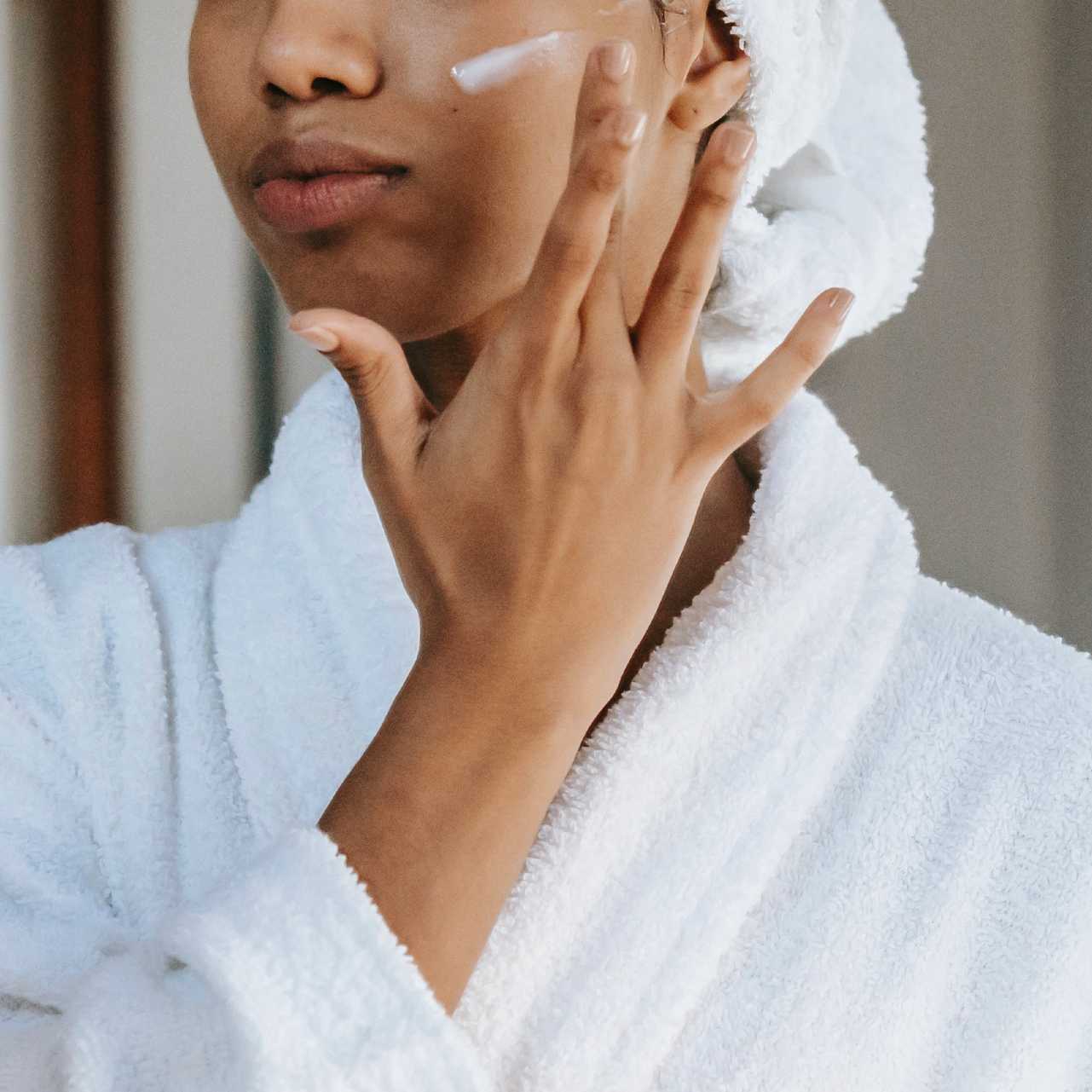
A good moisturizer works best when paired with the right routine. Skincare is not just about one product—it’s about consistency and balance.
Start with a gentle cleanser that doesn’t strip your skin. Avoid foaming cleansers that can be too harsh.
After cleansing, apply your moisturizer while your skin is still slightly damp. This helps lock in hydration more effectively.
Using a hydrating serum before your moisturizer can enhance results. Look for serums with hyaluronic acid or glycerin.
At night, consider using a thicker cream or sleeping mask for deeper hydration.
Common Mistakes People Make
Many people unknowingly make mistakes that worsen dry skin.
One common mistake is skipping moisturizer altogether, especially if the skin feels oily at times. Even dry skin can produce oil, but that doesn’t replace hydration.
Another mistake is using hot water for washing your face. Hot water strips natural oils and increases dryness.
Over-exfoliating is also a problem. While exfoliation removes dead skin cells, too much can damage your skin barrier.
Being mindful of these habits can significantly improve your skin’s condition.
Natural Remedies vs. Commercial Moisturizers
Some people prefer natural remedies like coconut oil or aloe vera. While these can provide temporary relief, they often lack the balanced formulation of commercial moisturizers.
Natural oils can act as occlusives but may not provide enough hydration on their own. They are best used alongside a proper moisturizer.
Commercial products are formulated with a combination of ingredients that target multiple aspects of dryness, making them more effective in the long run.
Signs You’ve Found the Right Moisturizer
Once you’ve figured out which moisturizer is best for dry skin, your skin will show noticeable improvements.
Your skin will feel soft and smooth rather than tight or rough. Flakiness will reduce, and your complexion will appear more even.
You’ll also notice that your skin stays hydrated for longer periods without needing constant reapplication.
If your moisturizer causes irritation, breakouts, or doesn’t improve dryness, it may not be the right fit.
Long-Term Benefits of Proper Hydration
Using the right moisturizer consistently can have long-term benefits beyond just hydration.
It helps maintain your skin’s elasticity, reducing the appearance of fine lines and wrinkles.
A healthy skin barrier also protects against environmental damage and pollutants.
Over time, your skin becomes more resilient, requiring less effort to maintain its health.
FAQs
What is the best time to apply moisturizer?
The best time is immediately after cleansing, while your skin is still slightly damp.
Can I use the same moisturizer year-round?
It depends on your climate. You may need a richer formula in winter and a lighter one in summer.
How often should I moisturize?
At least twice daily—morning and night—for optimal results.
Is it okay to layer moisturizers?
Yes, layering can be beneficial, especially for very dry skin.
Can drinking water replace moisturizer?
No, hydration from within helps, but it doesn’t replace topical moisturizers.
Conclusion: Your Path to Healthy, Hydrated Skin
Finding which moisturizer is best for dry skin is a journey, not a one-time decision. It requires understanding your skin, experimenting with products, and maintaining a consistent routine.
Focus on ingredients that hydrate, repair, and protect. Choose textures that suit your skin type and environment. Avoid harsh ingredients that can worsen dryness.
Most importantly, listen to your skin. When you find the right moisturizer, your skin will feel comfortable, look radiant, and stay healthy over time.
With the right knowledge and a little patience, achieving soft, hydrated skin is absolutely within your reach.