

Introduction
Mexican cuisine is one of the most loved food cultures in the world, known for its bold spices, vibrant colors, and deeply rooted traditions. Whether it’s a simple taco or a hearty plate of enchiladas, the flavors are unforgettable. But many people often wonder: is mexican food healthy?
The truth is, Mexican food can be both incredibly nutritious and surprisingly indulgent. It all depends on the ingredients used, how the food is prepared, and how much you eat. Traditional Mexican cooking is built on wholesome, natural ingredients, while modern fast-food versions often lean toward higher calories and processed components.
In this in-depth guide, we’ll explore every aspect of Mexican cuisine—from its nutritional benefits to its potential downsides—so you can confidently decide how it fits into your lifestyle.
The Origins of Mexican Cuisine and Its Nutritional Roots
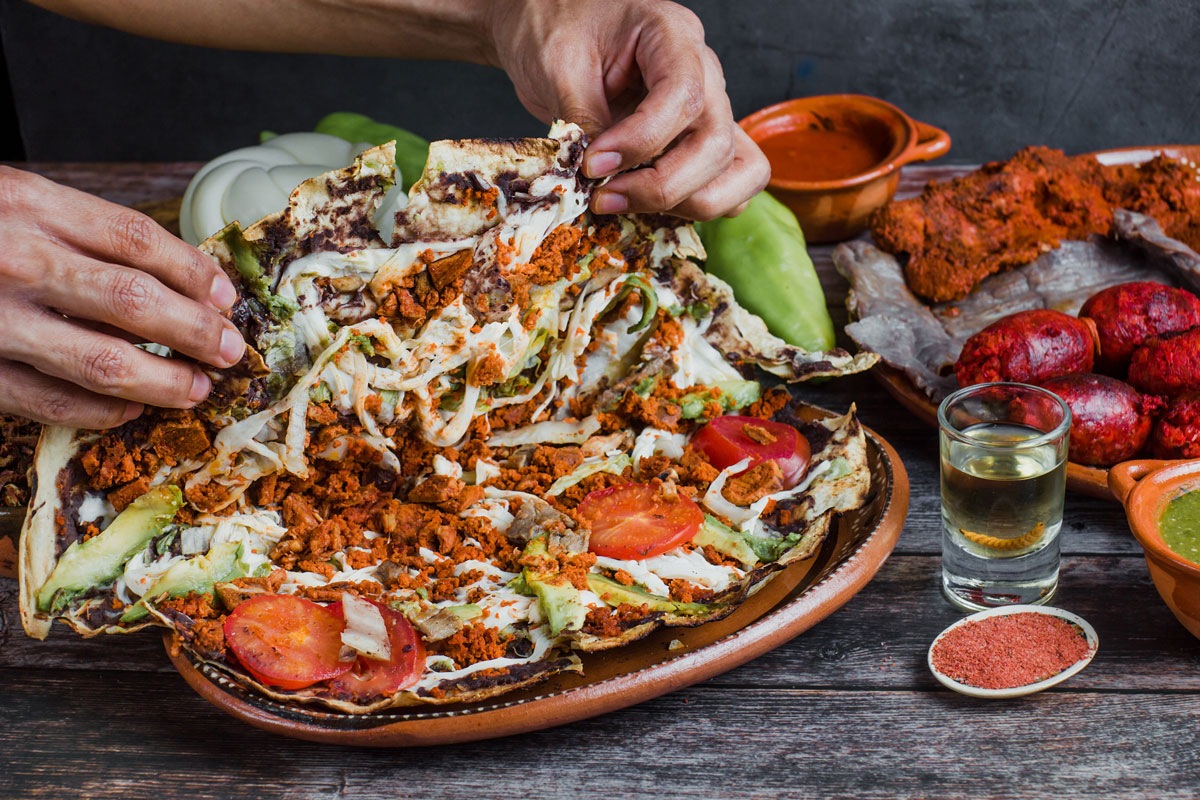
Mexican food has a rich history that dates back thousands of years. Indigenous cultures like the Aztecs and Mayans relied heavily on natural, plant-based foods such as corn, beans, squash, and chili peppers. These ingredients formed what is often referred to as the “three sisters” of Mexican agriculture—corn, beans, and squash—which together provide a balanced mix of nutrients.
Corn offers carbohydrates and energy, beans supply protein and fiber, and squash contributes vitamins and minerals. This natural balance is one of the reasons traditional Mexican food can be so healthy. When Spanish influences were introduced, ingredients like cheese, meat, and dairy were added, creating the diverse cuisine we see today.
Understanding these origins is essential when answering the question: is mexican food healthy, because it shows that the foundation of the cuisine is rooted in nourishment and balance.
Understanding the Nutritional Value of Common Mexican Ingredients
Mexican cuisine is built around ingredients that offer significant health benefits. Many of these foods are minimally processed and rich in essential nutrients.
Beans as a Nutritional Powerhouse
Beans are high in fiber and protein, helping with digestion and keeping you full for longer periods.
Corn Tortillas vs Flour Tortillas
Corn tortillas are typically lower in calories and naturally gluten-free, making them a healthier option.
Avocados and Healthy Fats
Avocados provide heart-healthy fats that support cholesterol balance and overall wellness.
Vegetables and Fresh Herbs
Tomatoes, onions, peppers, and cilantro add vitamins, minerals, and antioxidants without extra calories.
These ingredients highlight that is mexican food healthy depends largely on choosing whole, natural foods.
The Role of Cooking Methods in Health
One of the biggest factors that determine whether Mexican food is healthy is how it is cooked. Traditional cooking methods often involve grilling, steaming, or slow-cooking, which preserve nutrients and minimize unhealthy fats.
For example, grilled meats used in tacos or fajitas are much healthier than deep-fried options like chimichangas. Similarly, steaming tamales helps retain their nutritional value without adding excess oil.
However, modern adaptations—especially in fast-food settings—often rely on frying, heavy sauces, and processed ingredients. These methods can significantly increase calorie content and reduce the overall health value of the meal.
This is why the question is mexican food healthy cannot be answered without considering preparation techniques.
Traditional Mexican Food vs Modern Fast-Food Versions
There is a noticeable difference between traditional Mexican cuisine and the versions commonly found in fast-food chains. Traditional meals are typically made with fresh, whole ingredients and balanced portions. They emphasize flavor through spices and herbs rather than relying on fats and sugars.
In contrast, modern fast-food Mexican dishes often include processed meats, refined grains, and excessive cheese. Portion sizes are also much larger, which can lead to overeating.
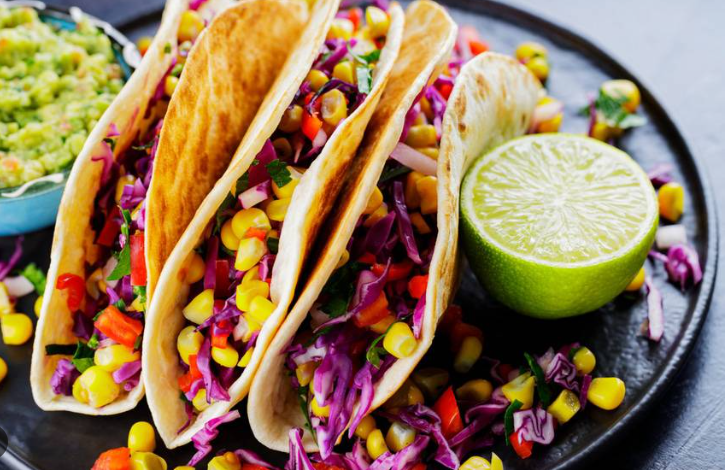
For instance, a homemade taco with grilled chicken, fresh salsa, and a corn tortilla can be a balanced meal. On the other hand, a fast-food burrito loaded with cheese, sour cream, and sauces can contain more calories than an entire day’s requirement.
This contrast plays a major role in determining whether is mexican food healthy holds true in different contexts.
Calorie Content and Portion Awareness
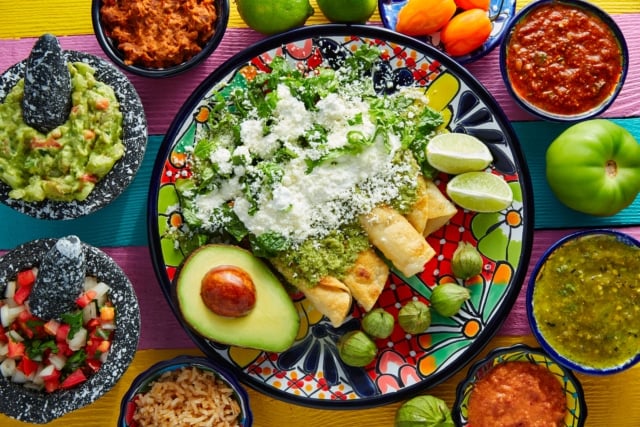
Portion size is an important factor in maintaining a healthy diet. Even nutritious foods can become unhealthy when consumed in excess.
Understanding Serving Sizes
Restaurant portions are often larger than necessary, leading to overeating.
Hidden Calories in Add-ons
Cheese, sour cream, and sauces can significantly increase calorie intake.
Smart Portion Strategies
Choosing smaller servings or sharing meals can help maintain balance.
Being mindful of portions supports a positive answer to is mexican food healthy.
The Health Benefits of Mexican Cuisine
Mexican food offers several health benefits when prepared with fresh ingredients and balanced portions. One of the most notable benefits is its high fiber content. Beans, vegetables, and whole grains support digestive health and help maintain stable blood sugar levels.
Another advantage is the presence of healthy fats, particularly from avocados. These fats are beneficial for heart health and can help reduce bad cholesterol levels.
Mexican cuisine is also rich in vitamins and minerals. Ingredients like tomatoes, peppers, and leafy greens provide essential nutrients that support overall well-being.
These benefits demonstrate that is mexican food healthy can often be answered positively when focusing on traditional recipes.
Potential Downsides of Mexican Food
While there are many benefits, there are also potential downsides to consider. Some dishes can be high in sodium, especially when processed ingredients or packaged seasonings are used. Excess sodium can contribute to high blood pressure and other health issues.
Cheese and sour cream, while delicious, add saturated fats and calories. Fried foods like nachos and chimichangas can also increase unhealthy fat intake.
These factors don’t mean you should avoid Mexican food entirely, but they highlight the importance of moderation and smart choices.
How to Make Mexican Food Healthier at Home
Cooking at home allows you to control ingredients and preparation methods.
Choosing Lean Proteins
Opt for grilled chicken, fish, or plant-based proteins instead of fatty meats.
Reducing Oil and Fat
Use minimal oil and avoid frying whenever possible.
Adding More Vegetables
Incorporating extra vegetables increases fiber and nutrient content.
These simple changes make it easier to ensure is mexican food healthy applies to your meals.
A Comparison of Popular Mexican Dishes
| Dish | Typical Ingredients | Health Perspective |
|---|---|---|
| Tacos | Corn tortilla, meat, veggies | Generally healthy |
| Burritos | Rice, beans, meat, cheese | Moderate |
| Nachos | Chips, cheese, sauces | Less healthy |
| Enchiladas | Tortilla, sauce, filling | Moderate |
| Fajitas | Grilled meat and vegetables | Healthy |
This table shows how different dishes vary in health value depending on their ingredients and preparation.
Mexican Food and Special Diets

Mexican cuisine is highly adaptable, making it suitable for various dietary needs. Vegetarians can enjoy dishes centered around beans, vegetables, and rice. Gluten-free diets are supported by corn-based products like tortillas.
For those on low-carb diets, replacing tortillas with lettuce wraps can reduce carbohydrate intake. This flexibility is another reason why is mexican food healthy often depends on personal customization.
The Cultural Approach to Eating
In Mexico, food is not just about nutrition—it’s about culture, family, and tradition. Meals are often shared and enjoyed slowly, which can promote mindful eating and better digestion.
This cultural approach encourages balance and moderation, which are key components of a healthy lifestyle. Adopting similar habits can enhance your relationship with food and improve overall health.
Balancing Flavor and Nutrition
One of the greatest strengths of Mexican cuisine is its ability to deliver incredible flavor without relying on unhealthy ingredients. Spices, herbs, and fresh produce create depth and richness in every dish.
This means you don’t have to sacrifice taste for health. By focusing on natural flavors, you can enjoy satisfying meals that are both delicious and nutritious.
FAQs
Is mexican food healthy for everyday consumption?
Yes, it can be, as long as you focus on fresh ingredients, balanced portions, and healthy cooking methods.
Are Mexican street foods healthy?
Many street foods are healthy, especially those that are grilled or made with fresh ingredients. However, fried options should be limited.
What is the healthiest Mexican meal?
Grilled tacos with vegetables, beans, and salsa are among the healthiest choices.
Can Mexican food help with weight loss?
Yes, when prepared with lean proteins and high-fiber ingredients, it can support weight management.
Is guacamole good for you?
Yes, it contains healthy fats and essential nutrients, but portion control is important.
Quick Healthy Tips
- Choose grilled instead of fried foods
- Add more vegetables to your meals
- Limit cheese and creamy sauces
- Use fresh salsa for flavor
- Watch portion sizes
Conclusion: Making the Right Choice
So, is mexican food healthy? The answer depends on how you approach it. Traditional Mexican cuisine, built on fresh and natural ingredients, offers a wide range of health benefits. It provides fiber, healthy fats, and essential nutrients that support overall well-being.
However, modern fast-food versions and overly indulgent dishes can reduce these benefits. By choosing healthier cooking methods, controlling portion sizes, and focusing on whole ingredients, you can enjoy Mexican food without compromising your health.
Ultimately, Mexican cuisine is not inherently unhealthy—it’s a matter of balance and mindful choices. With the right approach, you can savor its rich flavors while maintaining a nutritious and satisfying diet.

