Introduction
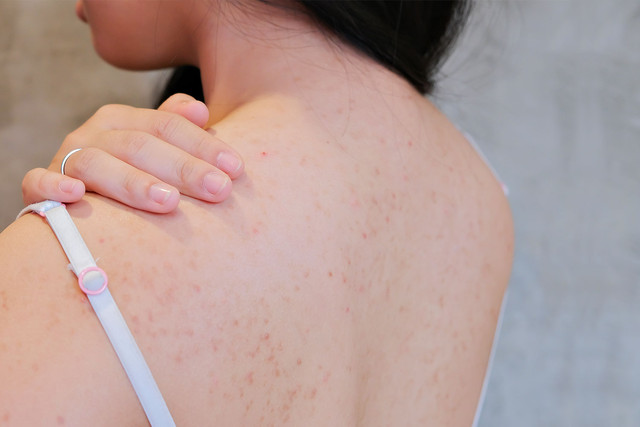
White spots on the skin are a surprisingly common concern, yet they often leave people confused and worried. Whether they appear on your face, arms, back, or legs, these lighter patches can affect both your appearance and confidence. While some cases are harmless and temporary, others may indicate underlying conditions that need attention.
In this comprehensive guide, we will explore everything about white spots on skin treatment, including causes, diagnosis, medical solutions, home remedies, and prevention strategies. The aim is to help you understand your skin better and make informed decisions for long-term care.
Understanding Why White Spots Appear on Skin

White spots develop when the skin loses its natural pigment, known as melanin. This pigment is produced by specialized cells called melanocytes. When these cells are damaged, reduced, or inactive, the affected areas appear lighter than the surrounding skin.
This process may be triggered by infections, autoimmune conditions, environmental factors, or nutritional deficiencies. The appearance of these spots can vary significantly depending on the cause. Some may be small and barely noticeable, while others may spread and become more prominent over time.
Understanding the root cause is essential because every condition requires a different approach to white spots on skin treatment.
Common Causes Behind White Spots
Fungal Infections and Their Impact
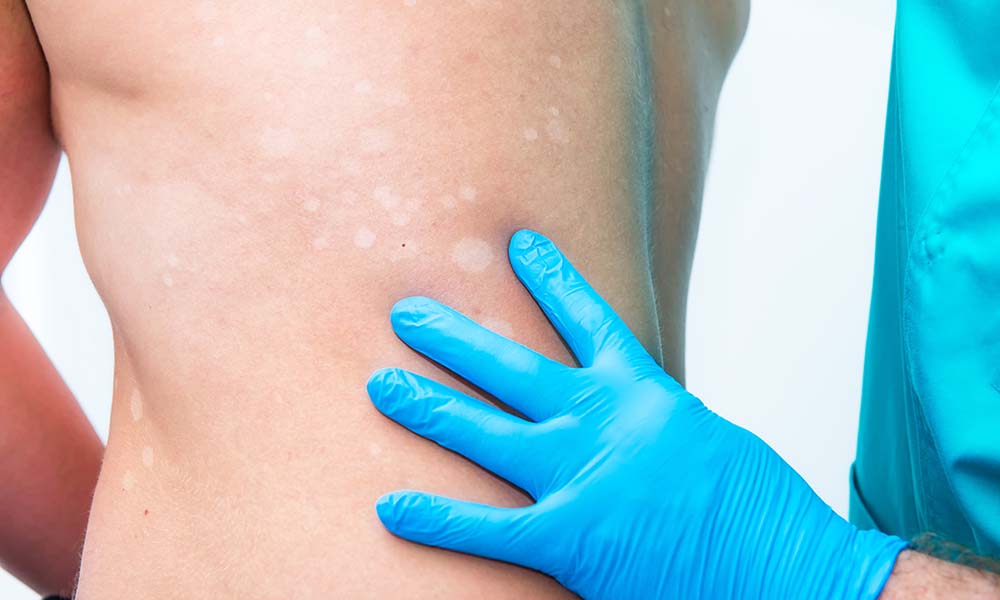
One of the most frequent causes of white spots is a fungal infection known as tinea versicolor. This condition occurs when a naturally occurring yeast on the skin grows excessively and disrupts pigmentation.
The spots may appear white, pink, or light brown and often become more visible after sun exposure. They are usually found on the chest, back, neck, and arms. Although not dangerous, they can persist if left untreated and may require antifungal-based white spots on skin treatment.
Vitiligo: An Autoimmune Condition
Vitiligo is a more complex condition where the immune system mistakenly attacks melanocytes. This results in clearly defined white patches that may gradually expand.
The progression of vitiligo varies from person to person. In some cases, it remains localized, while in others, it spreads across different parts of the body. Managing this condition often involves long-term white spots on skin treatment strategies, including medical therapies and lifestyle adjustments.
Sun Damage and Environmental Factors
Excessive exposure to the sun can also lead to uneven pigmentation. Small white spots, often referred to as sunspots, can develop due to prolonged UV damage.
These spots are typically harmless but can make the skin appear uneven. Preventive care and protective measures play a significant role in managing such cases.
Nutritional Deficiencies and Skin Health
Your diet has a direct impact on your skin’s appearance. Deficiencies in essential nutrients like vitamin B12, vitamin D, calcium, and zinc can affect melanin production.
When the body lacks these nutrients, the skin may develop pale or white patches. Addressing the deficiency is a crucial part of effective white spots on skin treatment.
Post-Inflammatory Hypopigmentation
Sometimes, white spots appear after the skin heals from injuries, burns, acne, or infections. This condition is known as post-inflammatory hypopigmentation.
It occurs because the skin temporarily loses pigment during the healing process. In most cases, the color gradually returns, but supportive care can speed up recovery.
How White Spots Are Diagnosed
Identifying the exact cause of white spots is essential for choosing the right treatment. Dermatologists rely on a combination of clinical evaluation and diagnostic tools.
A visual examination is usually the first step. The doctor observes the pattern, shape, and distribution of the spots. This helps narrow down possible causes.
In some cases, a Wood’s lamp test is used. This involves a special ultraviolet light that highlights fungal infections or pigment loss more clearly.
If the diagnosis remains uncertain, a skin biopsy may be performed. This involves analyzing a small sample of skin under a microscope. While not always necessary, it provides accurate insights into the underlying condition.
Medical Approaches to Treatment
Antifungal Therapies for Infections
For fungal causes, antifungal creams, lotions, or oral medications are commonly prescribed. These treatments target the root cause and help restore normal pigmentation over time.
Consistency is key, as incomplete treatment may lead to recurrence. This makes antifungal therapy an important component of white spots on skin treatment.
Topical Medications and Creams
Topical corticosteroids are often used to reduce inflammation and stimulate pigment production. These are especially helpful in mild cases of vitiligo or inflammatory skin conditions.
Non-steroidal creams, such as calcineurin inhibitors, are also effective alternatives. They are safer for long-term use and suitable for sensitive areas like the face.
Phototherapy and Advanced Procedures
Phototherapy involves exposing the skin to controlled ultraviolet light. This stimulates melanocytes and encourages pigment restoration.
It is widely used for vitiligo and other pigmentation disorders. While effective, it requires multiple sessions and professional supervision.
In advanced cases, procedures like laser therapy or skin grafting may be considered. These are usually reserved for individuals who do not respond to conventional white spots on skin treatment methods.
Natural Remedies and Supportive Care
While medical treatments are often necessary, natural remedies can complement the healing process.
Aloe vera is widely known for its soothing and regenerative properties. Regular application can help improve skin texture and support pigmentation recovery.
Coconut oil is another popular remedy. It keeps the skin moisturized and may promote healing, especially in dry or damaged areas.
Apple cider vinegar, when diluted, can help manage fungal infections due to its antifungal properties. However, it should be used cautiously to avoid irritation.
Neem, a traditional remedy, is known for its antibacterial and antifungal benefits. It can be used in the form of paste or oil for supportive white spots on skin treatment.
Comparing Treatment Options
| Treatment Method | Suitable For | Duration | Effectiveness |
|---|---|---|---|
| Antifungal Medication | Fungal infections | 2–4 weeks | High |
| Steroid Creams | Inflammation, vitiligo | 4–8 weeks | Moderate to High |
| Phototherapy | Vitiligo | 2–6 months | High |
| Natural Remedies | Mild conditions | Varies | Supportive |
Lifestyle Changes That Make a Difference
Maintaining Proper Skin Hygiene
Clean skin is less prone to infections. Using mild cleansers and avoiding harsh chemicals can help maintain a healthy skin barrier.
Regular hygiene also reduces the risk of fungal growth, which is a common cause of white spots.
Sun Protection Is Essential
Exposure to sunlight can make white spots more noticeable. Applying sunscreen daily helps protect the skin and prevents further damage.
Protective clothing and avoiding peak sun hours can also contribute to better results.
Balanced Nutrition for Healthy Skin
A diet rich in vitamins, minerals, and antioxidants supports skin regeneration. Foods like leafy greens, fruits, nuts, and dairy products are beneficial.
Proper nutrition strengthens the body’s ability to respond to white spots on skin treatment effectively.
Hydration and Skin Recovery
Drinking enough water keeps the skin hydrated and improves its elasticity. Well-hydrated skin heals faster and maintains its natural glow.
When You Should Seek Medical Advice
It is important to consult a dermatologist if white spots spread rapidly or do not improve with basic care.
Persistent itching, pain, or discomfort may indicate an underlying condition that requires medical attention.
Early diagnosis and timely intervention can significantly improve the outcome of white spots on skin treatment.
Prevention Strategies for Long-Term Skin Health
Preventing white spots is often easier than treating them.
Avoiding excessive sun exposure is one of the most effective preventive measures. Regular use of sunscreen protects the skin from UV damage.
Keeping the skin dry and clean helps prevent fungal infections. Wearing breathable fabrics and maintaining hygiene are simple yet effective practices.
Strengthening the immune system through a healthy lifestyle also plays a role in preventing conditions like vitiligo.
Key Highlights
- White spots are usually caused by pigment loss
- Fungal infections are the most common reason
- Vitiligo requires long-term management
- Early treatment improves results significantly
- Diet and lifestyle impact skin health
Frequently Asked Questions
Are white spots dangerous?
Most white spots are harmless, but some conditions like vitiligo require medical attention.
How long does treatment take?
The duration varies depending on the cause. Some cases improve within weeks, while others may take months.
Can white spots disappear naturally?
Yes, mild cases may fade on their own, especially if caused by minor infections or skin injuries.
Is sunscreen necessary?
Yes, sunscreen helps prevent contrast between affected and normal skin, improving overall appearance.
Do home remedies work for everyone?
Home remedies can help in mild cases, but persistent conditions often require medical treatment.
Conclusion: Your Path to Clear and Even Skin
White spots on the skin can feel overwhelming, but they are often manageable with the right approach. The key lies in identifying the underlying cause and following a consistent treatment plan.
From medical therapies to natural remedies and lifestyle changes, there are multiple ways to restore your skin’s natural tone. Patience and consistency are essential, as results may take time.
If you notice persistent or spreading spots, seeking professional advice is the best step forward. With the right care and attention, achieving healthy, even-toned skin is entirely possible.
Taking action today ensures better skin tomorrow.