
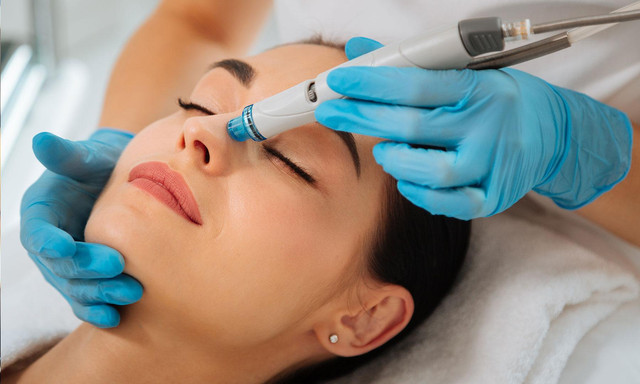
Fungal acne is a common skin concern that can often be confused with regular acne because both conditions create bumps, redness, and irritation. However, fungal acne is caused by an overgrowth of yeast called Malassezia on the skin, while traditional acne is usually related to bacteria, excess oil, and clogged pores. Understanding the difference between these conditions is important because the treatment approach is not the same. Many people try common acne products but do not see improvement because they are not addressing the actual cause. The right fungal acne treatment focuses on controlling yeast growth, maintaining skin balance, and following a suitable skincare routine. With proper care and consistency, fungal acne can be managed effectively and the skin can become smoother and healthier over time.
What Is Fungal Acne?
Fungal acne, also known as pityrosporum folliculitis or Malassezia folliculitis, occurs when yeast naturally present on the skin grows excessively. This imbalance can block hair follicles and cause small, uniform bumps that often appear on the forehead, cheeks, chest, shoulders, and back. Unlike normal acne, fungal acne bumps are usually similar in size and may feel itchy or irritated. They often become more noticeable in warm and humid environments because yeast thrives in moisture and heat.
Many people mistake fungal acne for regular breakouts and use harsh acne treatments that may not help the condition. Ingredients designed for bacterial acne may sometimes dry out the skin barrier and make irritation worse. Identifying the signs early can help you choose a better approach. An effective fungal acne treatment involves reducing yeast overgrowth while supporting the skin’s natural protective barrier.
Common Causes of Fungal Acne
Several factors can contribute to the development of fungal acne. One of the main causes is excessive moisture on the skin, which creates an environment where yeast can multiply. People who sweat frequently, exercise regularly, or live in hot and humid climates may be more likely to experience fungal breakouts.
Heavy skincare products can also contribute to the problem. Thick creams, oily products, and certain cosmetic ingredients may trap oil and moisture inside pores, allowing yeast to grow more easily. Wearing tight clothing, not changing sweaty clothes quickly, and poor hygiene after workouts can also increase the chances of irritation.
Other possible causes include the use of antibiotics, which can disturb the natural balance of microorganisms on the skin, and a weakened skin barrier caused by over-exfoliation. Understanding these triggers is an important part of choosing the right fungal acne treatment and preventing future flare-ups.
Symptoms of Fungal Acne
Recognizing fungal acne symptoms can help differentiate it from other types of acne. Some common signs include:
- Small, similar-looking bumps appearing in clusters
- Itching or mild burning sensations
- Breakouts that do not improve with traditional acne products
- Increased flare-ups in hot or humid weather
- Bumps appearing on areas with more sweat and oil production
Unlike hormonal or bacterial acne, fungal acne often lacks blackheads and whiteheads. The bumps usually look more consistent in size and may spread across larger areas of the skin. Some people may experience discomfort or sensitivity, especially when using unsuitable skincare products.
If your skin continues to experience repeated breakouts despite following a regular acne routine, it may be helpful to consider whether fungal acne is the actual issue. Choosing an appropriate fungal acne treatment based on your symptoms can help improve skin condition more effectively.
Effective Fungal Acne Treatment Options
The right treatment depends on the severity of the condition and individual skin needs. Many cases can improve with antifungal approaches that help reduce yeast overgrowth. Antifungal cleansers, creams, or medicated products recommended by a dermatologist may be used to manage symptoms.
One common approach is using ingredients that target yeast while maintaining skin health. Products containing antifungal ingredients may help control excessive Malassezia growth. However, it is important to avoid overusing treatments because excessive application can cause dryness and irritation.
A gentle skincare routine is also essential. Using a mild cleanser, lightweight moisturizer, and non-irritating sunscreen can support recovery. Avoiding heavy oils and pore-clogging products may reduce the chances of future flare-ups.
Consistency plays a major role in results. Skin improvement may take time, and suddenly changing multiple products can make it difficult to identify what works. A balanced fungal acne treatment routine should focus on reducing irritation while improving overall skin balance.
Skincare Routine for Fungal Acne
A proper skincare routine can support the healing process and prevent repeated breakouts. Start with gentle cleansing to remove sweat, dirt, and excess oil without damaging the skin barrier. Washing the face after heavy sweating can help prevent yeast buildup.
Moisturizing is still important because dehydrated skin can become more sensitive and irritated. Choose lightweight, non-greasy moisturizers that provide hydration without feeling heavy. Avoiding overly rich creams may help reduce conditions that encourage yeast growth.
Sun protection should also be part of your daily routine. Sun exposure can worsen redness and inflammation, making skin recovery more difficult. Select a sunscreen that feels comfortable and does not increase oiliness.
Along with topical care, lifestyle habits matter. Changing pillowcases regularly, cleaning makeup tools, and avoiding sharing personal skincare products can help maintain healthier skin. A consistent routine combined with suitable products can make a significant difference when following a fungal acne treatment plan.
Ingredients to Consider and Avoid
Choosing the right skincare ingredients can support better results. Some ingredients commonly used in skincare routines may help maintain clearer skin, while others may contribute to problems for people prone to fungal acne.
Helpful options may include gentle cleansers, lightweight moisturizers, and dermatologist-recommended antifungal ingredients. Products designed for sensitive skin are often better choices because they are less likely to cause irritation.
On the other hand, heavy oils, thick butters, and certain rich formulations may not work well for fungal acne-prone skin. This does not mean every oil-based product will cause problems, but people with frequent fungal breakouts may benefit from observing how their skin reacts.
Reading product labels and introducing new products slowly can help identify triggers. The goal of fungal acne treatment is not only to reduce current breakouts but also to create a skincare environment where the skin remains balanced and healthy.
Home Care Tips for Managing Fungal Acne
Along with proper skincare, simple daily habits can support improvement. Keeping the skin clean and dry is one of the most important steps. After exercise or sweating, changing clothes and washing the affected areas can help reduce moisture buildup.
Avoid touching or scratching fungal acne because this can increase irritation and delay healing. Using clean towels, washing bedding regularly, and keeping makeup products hygienic can also reduce the risk of repeated breakouts.
Stress management and a balanced lifestyle may also support healthier skin. While stress does not directly cause fungal acne, it can affect overall skin condition and make existing issues more difficult to manage.
It is also helpful to avoid experimenting with too many products at once. A simple routine is often more effective than using multiple active ingredients together. Following these habits along with a suitable fungal acne treatment approach can help improve skin appearance over time.
When to Consult a Dermatologist
Although many cases of fungal acne can improve with proper skincare, some situations require professional guidance. If breakouts continue for several weeks, become painful, spread quickly, or do not respond to home care, consulting a dermatologist can help identify the exact cause.
A dermatologist can examine your skin and recommend suitable treatments based on your condition. They may suggest prescription antifungal medications or other professional solutions if necessary.
Getting expert advice can prevent the use of ineffective products and reduce the risk of worsening irritation. Since fungal acne can resemble other skin conditions, professional evaluation may be helpful for persistent cases.
The best results from fungal acne treatment come from understanding your skin type, identifying triggers, and following a consistent approach rather than relying on quick fixes.
Prevention Tips to Avoid Future Fungal Acne
Preventing fungal acne requires maintaining a healthy balance between cleanliness and skin protection. Avoid excessive sweating buildup by washing your face and body after workouts or outdoor activities. Choose breathable clothing and avoid staying in damp clothes for long periods.
Use skincare products that suit your skin type and avoid frequently switching between different products. Keeping your skincare routine simple can help maintain a stronger skin barrier.
Regularly cleaning items that touch your face, such as pillowcases, towels, and makeup brushes, can also reduce unwanted buildup. Avoid sharing personal skincare tools with others.
Paying attention to how your skin reacts to different products and environmental conditions can help you prevent future problems. A preventive approach combined with proper fungal acne treatment can support clearer and healthier skin in the long term.
Conclusion
Fungal acne can be frustrating, especially when it is mistaken for regular acne and treated with unsuitable products. Understanding the causes, symptoms, and proper care methods is the first step toward improving the condition. A successful approach focuses on controlling yeast growth, maintaining skin balance, and following a gentle skincare routine.
The right fungal acne treatment may include antifungal solutions, suitable skincare products, and healthy daily habits. Since every person’s skin is different, patience and consistency are important for achieving better results. By identifying triggers, protecting the skin barrier, and making informed skincare choices, you can manage fungal acne and work toward smoother, healthier-looking skin.


